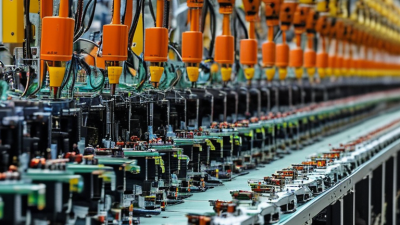
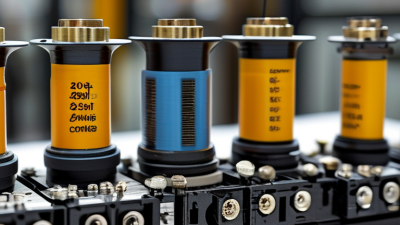
Understanding how China’s top wire harness assembly process works requires more than watching wires move across a factory floor. It involves engineering control, trained operators, tested materials, and disciplined inspection. In a qualified facility, production usually begins with approved drawings, cable specifications, connector data, and a controlled bill of materials. Technicians then cut wires to measured lengths, strip insulation carefully, and attach terminals with calibrated crimping tools. Small details matter. A loose crimp can create heat, resistance, or intermittent failure inside the finished equipment.
The wire harness assembly process also depends on routing accuracy and visual consistency. Operators may add seals, clips, labels, braided sleeving, or protective tubes before arranging each branch on a forming board. Supervisors check terminal position, wire color, connector locking, and bend direction against technical documents. Electrical testers commonly verify continuity, short circuits, pin location, and insulation performance. For critical applications, manufacturers may also perform pull-force checks, dimensional inspections, and sample-based endurance testing. Records should identify materials, operators, equipment settings, and inspection results.
Still, no assembly line is perfect. Manual handling can introduce variation, especially when designs change or instructions are unclear. A strong supplier admits these risks and improves them through training, process audits, first-article approval, and corrective action. Buyers should review certifications, testing capability, traceability practices, and communication quality instead of relying only on low pricing. China’s leading harness manufacturers do not simply assemble cables quickly. They connect engineering discipline with practical factory experience, while recognizing that reliability must be demonstrated repeatedly. That is where this article begins.
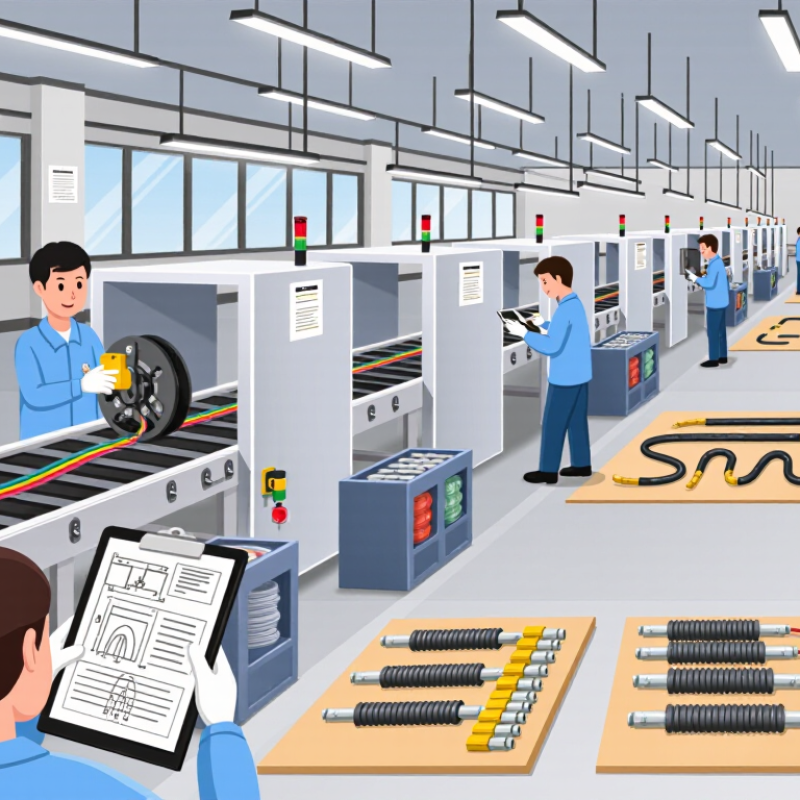
A wire harness assembly is a connected group of wires, terminals, seals, connectors, and protective coverings. It carries power and signals through equipment in an organized path. Without a harness, technicians may face loose wires, crowded spaces, and difficult maintenance. A properly built harness also reduces vibration damage and installation mistakes.
In an experienced Chinese assembly facility, production starts with approved drawings and material checks. Operators cut wires to measured lengths, remove insulation, and crimp terminals with controlled pressure. Each crimp should hold firmly without damaging the conductor. Wires are then placed on a routing board, where their positions and branch points become visible. Connectors, clips, sleeves, and tapes are added according to the design.
Testing is not a formality. Inspectors check wire color, terminal position, pulling strength, and electrical continuity. They may use a tester to find open circuits or unwanted connections within seconds. Visual inspection still matters. A connector can look complete while one terminal sits slightly backward. That small defect may cause failure during vibration or heat exposure. Even skilled teams need careful training and repeated checks. A clean layout does not always mean a reliable harness. Production records, sample checks, and traceable measurements help engineers find weak steps and improve them. However, real assembly can still reveal problems that a drawing never showed, especially around tight bends or crowded connectors.
How Does China Top Wire Harness Assembly Process Work?
How China’s Wire Harness Assembly Workflow Begins with Design Review
A reliable wire harness workflow starts before copper is cut. Chinese assembly teams review drawings, 3D routing, connector tables, and the bill of materials together. They check wire gauges, bend radii, terminal orientation, sealing points, and branch lengths. Small errors here can create large production losses.
The scale is significant. OICA reported 93.5 million motor vehicles produced worldwide in 2023. The International Energy Agency also recorded nearly 14 million electric car sales that year, representing about 18% of new-car sales. These figures increase pressure on design reviews, especially for high-voltage and sensor harnesses. Engineers often use design-for-manufacturing checks to simplify crimping, labeling, testing, and repair. IPC/WHMA-A-620 requirements help define acceptable workmanship, but standards cannot replace practical judgment.
A review meeting may place a full-size harness board beside the digital model. Operators inspect whether clips fit, terminals lock, and protective sleeves reach each branch. Samples are then checked through crimp-height measurements, pull tests, continuity tests, and insulation checks. Traceability links each batch to materials, tools, operators, and inspection records. Still, design files are not always perfect. A connector may fit digitally but clash with a nearby bracket. That uncomfortable discovery is useful. It exposes assumptions before volume production begins, although review teams can still miss a late change.
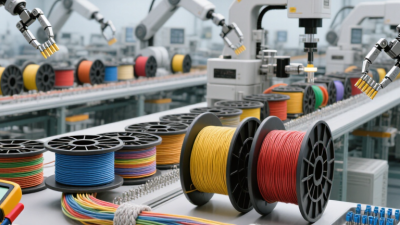
In a high-quality Chinese wire harness workshop, assembly begins with controlled wire preparation. Technicians load approved drawings, terminal specifications, and cutting lengths into calibrated equipment. The machine cuts each wire to a programmed dimension, while operators check samples with a ruler and digital gauge. Insulation is stripped without nicking copper strands, because one damaged strand can weaken the connection. Small details matter.
After stripping, the exposed conductor enters a crimping applicator matched to the terminal size. Correct crimp height, pull force, and conductor position are verified during setup and at regular intervals. A loose crimp may heat under load, while excessive pressure can fracture the wire. Experienced inspectors use cross-section checks when the application demands deeper evidence. These checks create practical records, not just paperwork. Still, production teams sometimes rely too heavily on automated readings. That deserves review.
Labeling follows the approved wiring list. Each wire may receive a printed code, heat-shrink marker, or wrap label near its connection point. Clear labels reduce installation errors and help technicians trace circuits during maintenance. Final inspection checks continuity, connector locking, terminal seating, routing, and visible damage. Operators compare the finished harness with drawings before packaging it in protective material. At every changeover, an operator records measurements, rejects, and unusual findings.
How Does China Top Wire Harness Assembly Process Work?
A reliable wire harness begins with a controlled layout. Technicians arrange wires by circuit, length, color, and destination. Branch points are measured before cutting or bundling. This prevents sharp bends and unnecessary tension. Terminals are then crimped with calibrated tools. Each crimp should hold firmly without damaging the conductor. Connectors, seals, and cavity locks must match the approved drawing. A small mismatch can cause poor contact or later vibration failure.
The harness is routed through guides, clips, and protective sleeves. Components are secured at measured intervals, not simply tied wherever space allows. Technicians check bend radius near connectors and avoid pressure on exposed terminals. Continuity testing confirms every circuit path. Pull-force checks help verify crimp strength. Visual inspection remains important. Machines miss some practical details. For example, a harness can pass electrical testing but rub against a nearby bracket during operation. That issue deserves a design review, not a quick patch.
Tips: Keep the assembly board clean and clearly marked. Record wire lengths, crimp settings, and inspection results. Use sample harnesses to confirm routing before mass production. Leave enough service slack, but not excessive loops. Experienced teams still make assumptions. Rechecking them improves reliability. Photographing unusual routing points can also support consistent training and future audits.
| Process Stage | Main Components | How Components Are Arranged | How Components Are Connected | How Components Are Secured | Typical Quality Controls |
|---|---|---|---|---|---|
| 1. Engineering Review | Wires, terminals, connectors, seals, clips, conduits, labels, and protective coverings | The assembly is divided into branches according to the electrical schematic, installation space, and routing requirements. | Circuit numbers, wire gauges, terminal types, and connector cavities are verified against approved drawings. | A preliminary bill of materials and tooling plan defines the required fixtures and processing equipment. | Drawing review, material verification, wire-list cross-check, and manufacturability assessment |
| 2. Wire Cutting | Single-core wires, twisted pairs, shielded cables, or multi-core cables | Wires are cut into specified lengths, including allowances for stripping, bending, and terminal insertion. | No electrical connection is made at this stage; each wire is identified by color, circuit number, or printed marking. | Cut wires are grouped in trays or bins to prevent mixing and damage before the next operation. | Length measurement, conductor damage inspection, color verification, and identification check |
| 3. Insulation Stripping | Cut wires, automatic stripping blades, and specified strip-length settings | The insulation is removed from one or both ends while leaving the conductor strands intact. | The exposed conductor length is prepared for crimping, soldering, ultrasonic welding, or another specified termination method. | Stripped ends are protected from bending, contamination, and strand separation during handling. | Strip-length measurement, conductor-strand inspection, insulation-damage check, and pull-test sampling |
| 4. Terminal Crimping | Copper or copper-alloy terminals, wire seals, and prepared conductors | The terminal is positioned so the conductor crimp and insulation crimp are formed in their designated zones. | A controlled crimp creates a mechanical and electrical connection between the conductor and terminal. | The crimp barrel retains the conductor; seals may be compressed around the insulation for environmental protection. | Crimp-height measurement, crimp-width check, cross-section inspection, terminal position check, and pull-force testing |
| 5. Connector Insertion | Housing connectors, crimped terminals, secondary locks, cavities, and seals | Terminals are inserted into numbered connector cavities according to the circuit layout and polarity requirements. | The terminal retention lance locks into the housing cavity and establishes contact with the mating terminal. | Primary terminal locks, secondary locks, cavity plugs, and connector seals prevent withdrawal or incorrect insertion. | Cavity-position verification, terminal-retention test, lock confirmation, seal inspection, and polarity check |
| 6. Branch Formation | Branch wires, junctions, splice sleeves, heat-shrink tubing, and protective tapes | Wires are separated into functional branches and positioned at defined branch points, bend locations, and exit directions. | Splices are made by crimping, soldering, ultrasonic welding, or another approved joining process. | Splice sleeves, heat-shrink tubing, tape, or molded protection insulate and stabilize the junction. | Branch-length measurement, splice inspection, insulation check, and resistance or pull testing where specified |
| 7. Looming and Protection | Corrugated conduit, braided sleeving, PVC tape, fabric tape, heat-shrink tubing, and shielding materials | The loom follows the intended vehicle, machine, or equipment route while maintaining the required bend radius and branch orientation. | Protective materials do not normally carry current; they preserve the position and condition of the electrical conductors. | Tape wraps, clips, cable ties, clamps, and heat-shrink sections hold the loom together and protect it from abrasion, heat, moisture, and vibration. | Covering length, wrap condition, bend-radius inspection, abrasion clearance, and branch-location verification |
| 8. Fixture Board Assembly | Assembly board, routing pins, connector holders, clips, labels, and position markers | The harness is laid out on a full-scale fixture board that represents the specified routing geometry and branch positions. | Connectors and terminals remain in their defined positions while wire paths are compared with the assembly drawing. | Board pins, holders, temporary clips, and designated clamps keep the harness stable during final wrapping and inspection. | Overall length, connector orientation, branch position, clip location, and visual comparison with the layout drawing |
| 9. Labeling and Identification | Circuit labels, barcode labels, warning labels, and identification sleeves | Labels are placed at specified locations where they remain visible after installation and do not interfere with connectors or clips. | Identification supports correct mating and service tracing but does not form part of the electrical circuit. | Adhesive labels, heat-shrink sleeves, or printed markers are applied to prevent movement or loss during handling. | Text legibility, placement, barcode readability, durability, and correspondence with the wiring documentation |
| 10. Electrical Testing | Completed wire harness, test fixture, continuity tester, insulation tester, and high-voltage tester when required | The harness is connected to a test fixture that checks the defined circuits and connector cavity relationships. | Continuity, short-circuit, open-circuit, resistance, and insulation tests verify the completed electrical paths. | The test fixture holds connectors and terminals in a repeatable position without deforming them. | Continuity test, short/open-circuit test, resistance measurement, insulation-resistance test, and dielectric withstand test when specified |
| 11. Final Inspection | Finished harness, approved drawings, inspection checklist, and measuring tools | The complete assembly is checked for overall form, branch geometry, connector orientation, and installation-related clearances. | All terminals, splices, and connector locks are confirmed to match the circuit documentation. | Clips, ties, tapes, conduits, seals, and protective coverings are checked for correct placement and firm attachment. | Visual inspection, dimensional inspection, connector and accessory verification, and test-record review |
| 12. Packing and Traceability | Protective bags, separators, cartons, inspection records, and production identification labels | Harnesses are placed to avoid sharp bends, connector impact, terminal contamination, and excessive compression. | Connector openings and exposed terminals are protected from foreign material during storage and transportation. | Separators, protective caps, ties, and correctly sized packaging prevent movement and deformation. | Quantity check, packaging inspection, lot traceability, document verification, and shipment release approval |
A finished wire harness is not ready when the last terminal is crimped. It must survive electrical and mechanical checks. According to Grand View Research’s 2024 market analysis, the global automotive wiring harness market was valued at more than USD 50 billion in 2023. That scale makes repeatable inspection essential, not optional.
Technicians begin with a 100% continuity test. A tester checks every circuit against the digital drawing. It can detect open wires, crossed circuits, and incorrect terminal locations within seconds. Insulation resistance and dielectric withstand tests follow where the application requires them. These tests expose hidden damage that visual inspection may miss. Crimp height, conductor exposure, terminal locking, and pull-out force are also measured. IPC/WHMA-A-620 provides widely used acceptance criteria for these workmanship checks. Still, standards do not replace judgment. A borderline crimp may pass once and fail after vibration.
Inspection records should connect each harness to its drawing revision, test result, operator, and inspection time. This traceability supports reliable corrective action. It also makes recurring defects easier to identify. The packaging stage deserves equal care. Branches are placed in shaped trays, connectors receive protective caps, and labels face outward. Bend radius must be controlled. Loose coils can create sharp memory in the wires. Desiccant and moisture barriers may be needed for long-distance shipment. Packaging is often treated as housekeeping. That is a mistake. A carefully tested harness can still arrive with bent terminals, missing seals, or crushed clips. Daily review of rejected samples remains valuable, even when the process appears stable.