2026 Best Wire Harness Assembly Process Guide for Global Buyers?
In the rapidly evolving world of electronics, the wire harness assembly process has become a focal point for manufacturers. This is especially true for global buyers seeking efficient and cost-effective solutions. Understanding this process is crucial. It guarantees product reliability and compliance with industry standards.
The wire harness assembly process itself involves a series of intricate steps. Each step requires precision and expertise. From component selection to final testing, attention to detail is essential. However, challenges often arise. Misalignment in components or errors in wiring can lead to significant setbacks. Such issues highlight the need for continuous improvement and learning.
Buyers today are confronted with numerous options. Navigating these can seem overwhelming. It is vital to partner with reliable assemblies that demonstrate expertise. A deep understanding of the wire harness assembly process is critical for ensuring long-term success. As the industry grows, buyers must adapt to new technologies and methodologies to maintain a competitive edge.
Overview of Wire Harness Assembly Process
The wire harness assembly process is critical in various industries. Understanding this process can enhance product reliability and performance. It involves several key steps, including design, material selection, and assembly. Each step demands careful attention to detail.
During design, engineers create blueprints. These blueprints outline the number of wires, their types, and connections. Material selection follows. The right materials ensure durability and compliance with industry standards. Common materials include copper, insulation, and connectors. Choosing the wrong materials can lead to failures, a fact often overlooked in the planning phase.
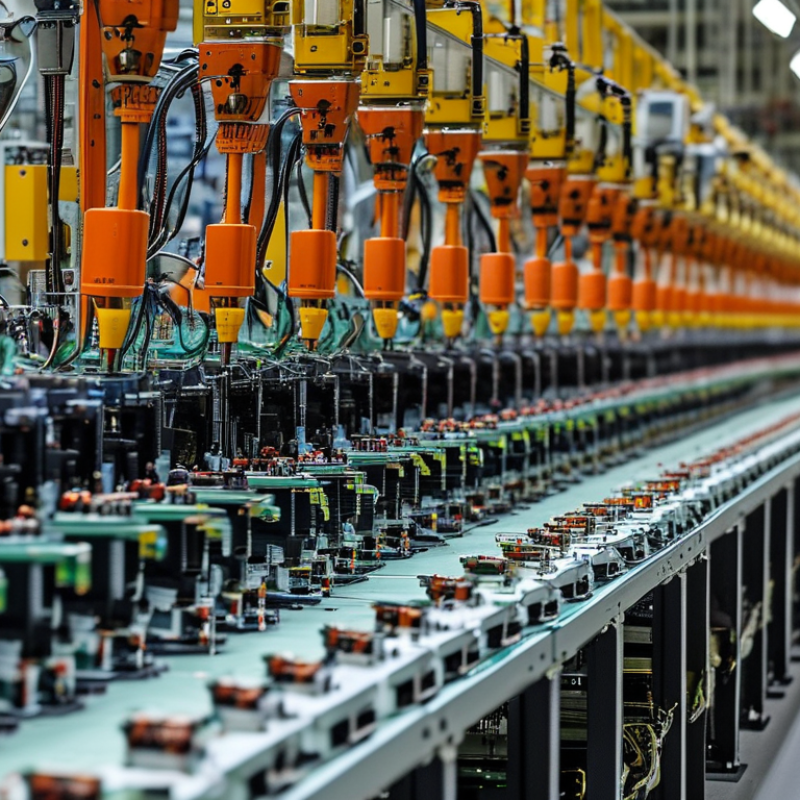
Assembly is where the magic happens. Skilled technicians build the harnesses by cutting, stripping, and terminating wires. Each action requires precision to avoid future issues. Inefficient practices can lead to higher costs and delays. Quality control measures are crucial at this stage. Inspections check for proper connections and functionality. However, flaws can still slip through, highlighting the importance of continuous improvement in the assembly process. Balancing speed and quality remains a challenge that requires ongoing attention.
Key Materials and Components in Wire Harness Assembly
The wire harness assembly process is intricate and requires a diverse selection of key materials. Common components include wires, terminals, connectors, and insulation materials. Reports indicate the global wire harness market will reach $102.79 billion by 2027. This growth is driven by the rise in automotive and electronics sectors.
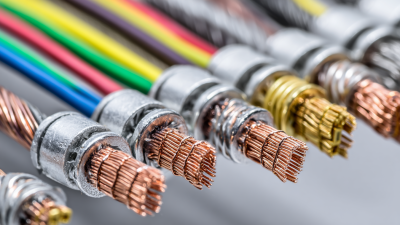
Wires are typically made from copper or aluminum, known for their excellent conductivity. The choice of insulation materials, such as PVC or XLPE, affects the harness’s durability and performance. Industry research highlights that improper insulation can lead to failures. Inadequate attention to these materials can reduce reliability in the final product.
Besides basic components, manufacturers are increasingly paying attention to environmental considerations. Biodegradable insulation options are becoming popular. Still, these materials often come with performance trade-offs. Businesses must weigh the benefits of sustainability against traditional material reliability. Decisions can be challenging when balancing innovation with proven effectiveness in wire harness assembly.
Step-by-Step Guide to Wire Harness Design
Designing a wire harness requires a structured approach. Begin by understanding the application requirements. Gather specifications like length, gauge, and materials. Ensure components are compatible. Create a diagram to visualize the connections. This step helps in spotting potential issues early on.
Next, select suitable materials. The right insulation is crucial to prevent short circuits. Consider factors like temperature and environment. Wire types should match electrical loads. Use software for precise calculations. This technology enhances efficiency and minimizes errors.
Testing is vital. Even minor flaws can lead to significant failures. Implement quality checks throughout the assembly process. Regular audits ensure adherence to standards. Reflect on past projects. Identify areas for improvement. Each iteration strengthens your design process.
Quality Control Measures in Wire Harness Production
Quality control in wire harness production is critical. It ensures that each harness meets safety and performance standards. The process begins with selecting high-quality materials. Each component should undergo inspection for defects. This can prevent issues down the line. However, even the best materials can fail if not handled correctly. Workers must be trained and vigilant during assembly.
Implementing rigorous testing methods is also vital. Regular inspections should occur at various production stages. These include checks for continuity and insulation resistance. Many manufacturers employ automated testing equipment. Yet, human oversight remains essential. An experienced technician can often spot problems that machines miss. It’s important to foster a culture of quality and accountability among staff.
Documentation plays a key role in quality assurance. Accurate records of production processes and testing results should be maintained. This transparency can help identify areas for improvement. However, keeping detailed logs requires discipline. Some manufacturers struggle with this aspect. A lack of focus on documentation can lead to repeated mistakes. Continuous learning and adaptation are necessary for quality enhancement.
Global Market Trends in Wire Harness Manufacturing
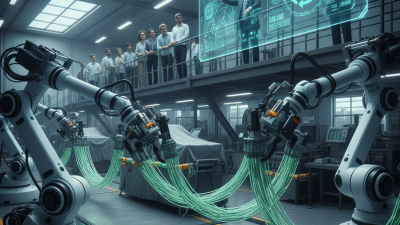
The wire harness manufacturing industry is experiencing notable shifts in response to global market demands. Companies are embracing automation to enhance production efficiency. Smart factories are becoming more common, integrating advanced robotics into assembly lines. These innovations aim to reduce labor costs and improve quality control. However, implementing new technologies can be challenging. Skilled personnel must be trained adequately to operate advanced machinery.
Emerging markets are gaining traction in wire harness production. Countries in Asia and Eastern Europe are attracting investments due to lower labor costs. However, quality consistency remains a concern in these regions. Some manufacturers report difficulties in maintaining high standards. As buyers consider sourcing from these locations, it is vital to assess quality assurance practices.
Sustainability is another growing concern. Consumers want more environmentally friendly products. This trend pushes manufacturers to explore eco-friendly materials and processes. Nonetheless, transitioning to sustainable practices can be resource-intensive. Debate exists over cost versus environmental responsibility. Buyers should weigh their priorities carefully when navigating these changes in the wire harness landscape.
Global Trends in Wire Harness Manufacturing (2026)
This chart illustrates the projected market share of wire harness manufacturing across different global regions in 2026. Each segment demonstrates the percentage of the total market, showcasing the dominance of the Asia-Pacific region in this field.