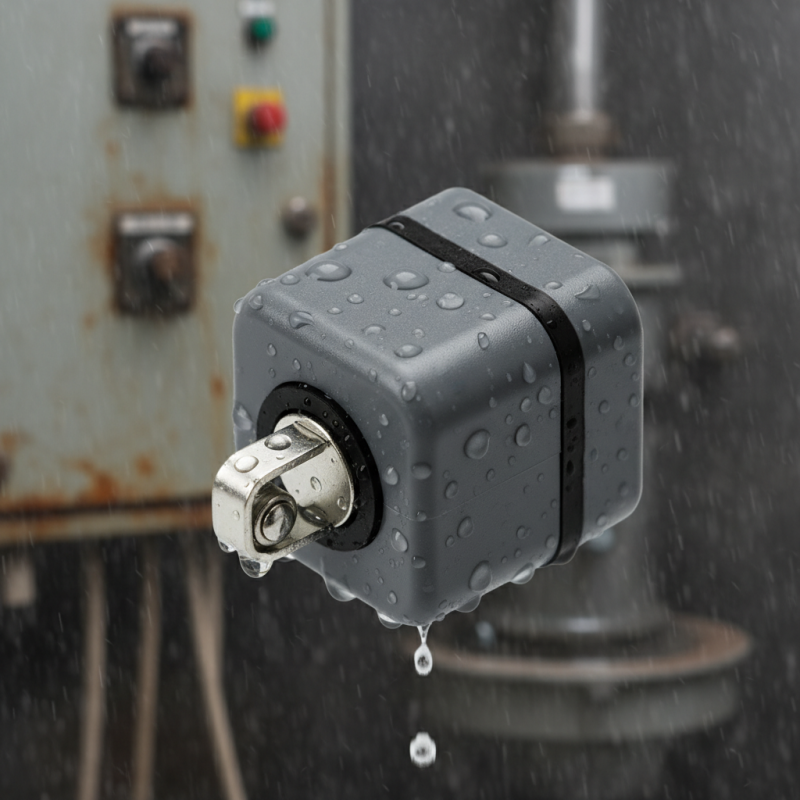
What is a Waterproof Micro Switch and How Does it Work?
Waterproof Micro Switches are essential in various applications. They are designed to perform well in harsh conditions. These switches resist moisture, dust, and debris. For instance, you might find them in outdoor equipment or industrial machines.
Understanding how a Waterproof Micro Switch works is crucial. The mechanism inside protects against water damage. This feature allows reliable performance despite wet environments. However, not all micro switches are waterproof. It's important to select the right type for specific needs.
While these switches offer great benefits, they may not be perfect. Issues can arise over time, such as wear from frequent use. Regular checks are necessary to ensure functionality. The balance between durability and cost can be tricky. Thus, proper evaluation is key before making a purchase.
What is a Waterproof Micro Switch?
A waterproof micro switch is a specialized device designed to endure harsh environments. These switches are often used in outdoor applications. They help protect electrical circuits from water and dust. The typical housing is sealed, keeping moisture out. This feature is crucial for reliable operation in wet conditions.
The functionality of a waterproof micro switch is straightforward. When pressure is applied, the internal mechanism is activated. This action generates a signal to complete or interrupt an electrical circuit. The switch is compact, making it ideal for various devices. Think of automotive systems or industrial equipment that face rain and dirt frequently. However, it’s not infallible. Over time, debris can penetrate if not maintained properly.
Materials matter in the construction of these switches. Commonly, they use materials resistant to corrosion. Yet, even the best materials can wear out. Environmental factors can impact performance over time. Users should periodically check these switches for proper function. Address any signs of wear and tear early, ensuring safety and reliability.
Key Features of Waterproof Micro Switches
Waterproof micro switches are essential components in various industries, including automotive and consumer electronics. They are designed to withstand moisture and contaminants. This unique feature extends the switch's lifespan. According to industry studies, about 20% of electronic failures are due to moisture ingress. This underlines the need for reliable waterproof switches.
Key features of waterproof micro switches include their robust sealing mechanisms. Many use rubber or silicone gaskets. These materials help prevent water and dust from entering the switch. Some switches even meet IP67 ratings. This means they can be submerged in water for short periods. Additionally, their operating temperature range often covers extreme conditions. This adaptability makes them ideal for outdoor applications.
Another important aspect is their size and versatility. Waterproof micro switches can be compact, fitting into tight spaces. Their weight is negligible, making them easy to install. However, the manufacturing process can sometimes lead to inconsistencies. Some switches might not perform as expected. Manufacturers must address these imperfections to ensure quality control.
How Waterproof Micro Switches Function
Waterproof micro switches are crucial in various applications, especially in harsh environments. They prevent moisture from affecting performance. Each switch is designed to withstand water exposure, making them perfect for outdoor equipment, marine environments, and food processing machinery.
These switches function using a sealed structure. This design keeps internal components safe from water and debris. Typically, they utilize a diaphragm to create a barrier against moisture. A report from the International Electrotechnical Commission notes that improper sealing can lead to failure rates exceeding 15%. This underlines the importance of quality manufacturing standards.
Tips: Always check the IP rating of any micro switch. A higher IP rating often means better water resistance. Regularly inspect switches for wear or damage that might compromise their sealing.
In terms of operation, waterproof micro switches deliver reliable performance. They initiate an electrical signal when pressure is applied. This action is consistent, even in wet conditions. However, some users underestimate the effects of temperature changes. Fluctuations can impact the switch's efficiency, sometimes leading to intermittent failures. A careful assessment of environmental factors can enhance longevity.
Common Applications of Waterproof Micro Switches
Waterproof micro switches are vital in various industries. They are designed to resist moisture and contaminants. These switches are crucial in environments like outdoor equipment or harsh industrial settings. Their unique design ensures reliable performance even in wet conditions.
Common applications of waterproof micro switches include automotive systems. Many vehicles use these switches for headlights and wipers. They function efficiently, providing quick responsiveness. In industrial settings, they are used in machinery that operates in damp environments. They help prevent malfunctions caused by water ingress.
Home appliances also benefit from waterproof micro switches. They are found in washing machines and dishwashers. These switches prevent failures when exposed to water. This reliability enhances product durability. However, choosing the right switch involves considering factors like potential exposure to chemicals. Each application requires careful evaluation of specific needs.
What is a Waterproof Micro Switch and How Does it Work? - Common Applications of Waterproof Micro Switches
| Feature | Description | Common Applications |
| Waterproof Rating | Typically rated IP67 or higher, meaning they are dust-tight and can withstand immersion in water. | Industrial equipment, outdoor appliances, marine applications |
| Operating Mechanism | Uses a physical actuator that can be pushed, pulled, or toggled, activating or deactivating an electrical circuit. | Automotive systems, consumer electronics, washing machines |
| Temperature Range | Designed to operate in a wide temperature range, typically from -40°C to +85°C. | Food processing, HVAC systems, outdoor lighting |
| Lifespan | Mechanical durability with life cycles usually exceeding 1 million operations. | Robotics, automation systems, home appliances |
| Installation | Easy installation options with various mounting styles such as snap-in or solder terminals. | Smart home devices, security systems, gaming equipment |
Factors to Consider When Choosing a Waterproof Micro Switch
When selecting a waterproof micro switch, several critical factors come into play. The operating temperature range is paramount. Extreme conditions can affect switch performance. Ideally, choose a switch that can handle -40°C to 85°C. Studies indicate that switches operating outside this range may fail faster, leading to costly repairs or replacements.
In addition to temperature, consider the ingress protection (IP) rating. A higher IP rating means better protection against dust and water. For instance, an IP67 rating guarantees that the switch can withstand immersion in water up to 1 meter for 30 minutes. This is vital for applications in harsh environments. Understand the application’s exposure levels to make an informed choice.
Tips: Always check the manufacturer’s specifications for reliability. Look for switches with a high lifecycle rating, such as 1 million cycles. This ensures durability and reduces maintenance costs. Additionally, think about the switch's actuation force. A lighter actuation force may be preferred for user-friendly devices, while a heavier force may be suitable for rugged applications.
Lastly, don’t overlook the mount type. The method of installation can impact switch performance. Some may come with adhesive backing, while others require standard mounting holes. Make sure the installation method fits your design needs. Test different options to identify the best fit for your specific application.