Top Gate Valve Seats Manufacturers for Global Buyers
Gate Valve Seats are small components with a major effect on shutoff performance, leakage control, and maintenance intervals. For global buyers, choosing a manufacturer involves more than comparing prices or catalog dimensions. Seat design must match the valve body, operating pressure, temperature range, and process media. Material options may include elastomers, engineered plastics, or metal, each with different strengths and limitations.
This guide examines manufacturers serving international markets and the details buyers should verify before requesting a quotation. Look for clear material specifications, dimensional tolerances, production capabilities, and documented quality controls. Ask whether samples or inspection reports are available. They can reveal practical issues that a product photo cannot.
A polished catalog is not proof of a reliable fit. Nor does a familiar brand guarantee suitability for every application. Buyers should compare technical documentation against real operating conditions and confirm how replacement seats are identified and supplied. Lead times, communication, and after-sales support matter, especially when a shutdown is waiting on one small part. This comparison can help narrow the field, but it cannot replace engineering review. Some manufacturer information may be incomplete or difficult to compare, and that deserves a second look. Even a careful shortlist needs questions.
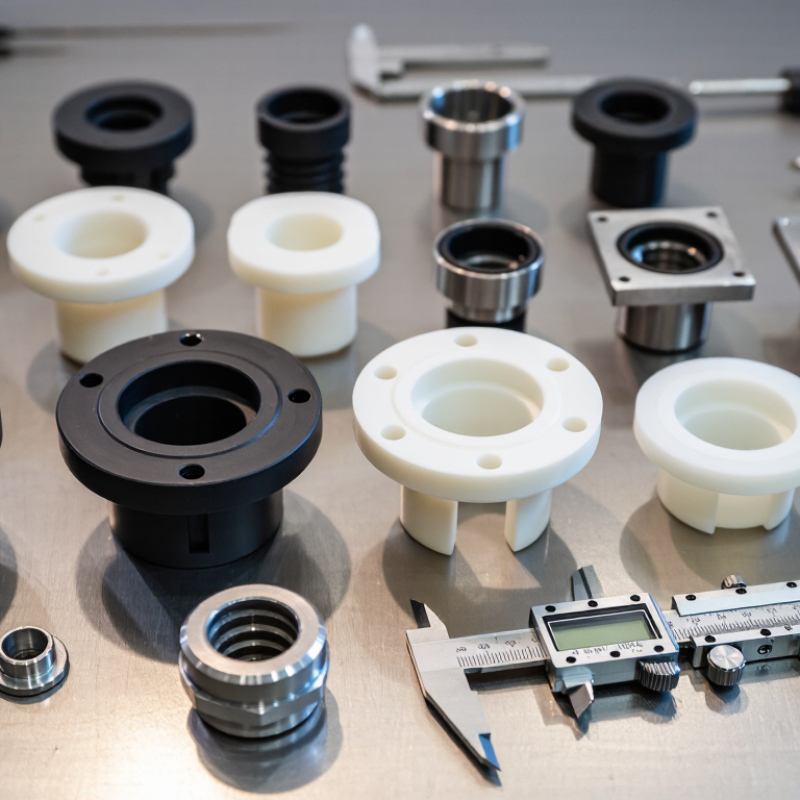
Understanding Gate Valve Seats and Their Role
A gate valve seat forms the sealing surface where the gate meets the valve body. When the valve closes, both sides must contact evenly. A small scratch, trapped grit, or uneven wear can leave a leakage path. The seat also guides the gate during travel, so its geometry affects operating torque and repeatability. It is a small part. Its job is not.
Seat design depends on service conditions. Metal seats suit many high-temperature or abrasive duties, while resilient materials can provide tighter shutoff in compatible fluids and temperatures. Selection should consider pressure, temperature, fluid chemistry, solids, and cycling frequency—not material name alone. API 600 addresses steel gate valve design, while ISO 5208 defines pressure-testing procedures and leakage-rate classifications for industrial valves. These references help buyers compare test results, but they do not replace application-specific checks.
For procurement, ask for seat material, hardness or polymer grade, dimensional tolerances, and documented shell and closure-test results. The U.S. Department of Energy’s Improving Steam System Performance: A Sourcebook for Industry identifies leakage control as part of effective steam-system maintenance; a leaking valve can waste heat as well as fluid. Inspect contact surfaces under good light, and verify sealing after installation. Even a careful inspection can miss debris in a narrow groove. That is worth remembering.
Top Gate Valve Seats Manufacturers for Global Buyers - Understanding Gate Valve Seats and Their Role
A practical comparison of common gate valve seat configurations, materials, functions, and selection considerations for buyers.
| Seat Configuration | Typical Seat Materials | How It Seals | Common Service Considerations | Buyer Checks |
| Metal-seated | Valve-body-compatible alloys; stainless steel and hardfacing alloys are used in suitable designs. | Machined metal surfaces on the gate and seats contact to restrict flow when the valve is closed. | Often selected for high-temperature, abrasive, or demanding process conditions. Leakage performance depends on design, finish, and operating conditions. | Confirm material compatibility, hardfacing details, temperature limits, and the specified leakage acceptance criteria. |
| Resilient-seated | Elastomers such as EPDM or NBR, selected according to the fluid and temperature range. | A compliant seat deforms against the gate to provide a tight shutoff in the intended service. | Common in water and other compatible services. Elastomer suitability can be affected by temperature, chemicals, and fluid composition. | Check the exact elastomer grade, fluid compatibility, temperature range, and applicable product standard. |
| Replaceable seat ring | Metallic or resilient materials, depending on valve construction and service requirements. | A separate seat ring is fitted into the valve body and forms the sealing surface against the gate. | Can allow seat replacement or maintenance without replacing the entire valve, subject to the design and repair procedure. | Ask whether the ring is replaceable, how it is retained, and what spare parts and repair instructions are available. |
| Integral seat | Seat surface formed from or finished as part of the valve body material. | The body’s prepared seating surface mates with the gate to control shutoff. | Construction and repair options vary by valve design. Damage to the seating surface may require specialist assessment. | Review the seat repair method, inspection requirements, and availability of qualified service support. |
| Parallel-seat design | Metallic or resilient seating elements, depending on the specific valve design. | Parallel seating surfaces meet the gate; the exact loading and sealing mechanism depends on the design. | Used across different industrial applications. Performance cannot be inferred from the configuration alone. | Request design drawings and verify pressure, temperature, flow direction, and shutoff requirements. |
| Wedge-gate design | Metallic or resilient seating elements selected for the valve’s intended service. | The wedge-shaped gate moves between angled seats to create a sealing contact when closed. | Common in isolation applications. Installation, thermal effects, and operating conditions can influence seating behavior. | Confirm wedge and seat materials, operating limits, installation orientation, and the required inspection or test standard. |
Selection note: Seat materials and configurations are not interchangeable across all valves. Confirm the fluid, pressure and temperature conditions, valve design, applicable standards, and manufacturer documentation before specifying or purchasing a replacement seat.
Key Materials and Manufacturing Processes for Gate Valve Seats
Gate valve seats determine how tightly a valve closes and how well it withstands repeated operation. Material selection depends on pressure, temperature, fluid chemistry, and the presence of abrasive particles. Stainless steel offers corrosion resistance and structural strength, while bronze can suit certain water-handling applications. Hard-facing alloys may improve wear resistance on contact surfaces. No material is ideal in every service condition.
Manufacturing starts with accurate cutting or casting, followed by machining the seat to controlled dimensions. A smooth, even sealing face matters: small tool marks can create leak paths under pressure. Heat treatment may increase hardness, but excessive hardness can reduce toughness. That trade-off deserves attention. Manufacturers commonly inspect dimensions and surface finish, then test the assembled valve for leakage. Buyers should request material certificates and test records, while checking that the specified seat material matches the actual operating conditions. A datasheet alone may not reveal how a seat performs after years of cycling.
Top Gate Valve Seat Materials for Global Buyers
Approximate melting point or melting range of commonly specified gate valve seat materials
How to read the chart: Higher thermal transition values can indicate greater temperature capability, but they are not operating limits. Pressure, chemical compatibility, thermal cycling, seat loading, and valve design must also be evaluated.
| Seat material | Approx. melting point or range | Common manufacturing processes |
| UHMWPE | 135°C | Compression molding, machining |
| PA6 Nylon | 220°C | Injection molding, machining |
| PEEK | 343°C | Injection molding, compression molding, machining |
| PTFE | 327°C | Compression molding, sintering, machining |
| 316L Stainless Steel | 1,375–1,400°C | Investment casting, forging, machining |
How to Evaluate Gate Valve Seat Manufacturers Worldwide
Top Gate Valve Seats Manufacturers for Global Buyers
Evaluating gate valve seat manufacturers worldwide takes more than comparing prices or catalog dimensions. Start with the operating conditions: fluid, pressure, temperature, cycle frequency, and expected service life. A seat designed for clean water may perform poorly in abrasive slurry. Ask manufacturers how they select materials and verify hardness, finish, and dimensional tolerances. Request drawings and inspection records for the exact part, not just a general product sheet.
Check production consistency. Useful evidence includes material traceability, documented inspection steps, and sample measurements from recent batches. Ask how the supplier handles nonconforming parts and what information is available if a field issue occurs. Technical answers should be specific and supported by records. Still, paperwork has limits. A polished certificate cannot replace a well-controlled manufacturing process, and a factory visit may reveal details that documents miss.
Tips: Send the same specification to each candidate, then compare responses line by line. Request a sample for fit and finish checks before placing a large order. Confirm lead times, packaging, and replacement-part support in writing. One detail is easy to overlook: the seat may meet its drawing but still require adjustments during installation. Track that feedback and include it in later evaluations.
Leading Gate Valve Seat Manufacturers for Global Buyers
Leading Gate Valve Seat Manufacturers for Global Buyers
Leading gate valve seat manufacturers understand that a small sealing surface can affect an entire valve’s performance. They ask about fluid type, pressure, temperature, operating cycles, and body dimensions before recommending a seat. Material selection matters. A seat exposed to abrasive particles may need different properties from one handling clean water. Experienced suppliers can explain these trade-offs and provide material specifications, dimensional drawings, and inspection records. Buyers should also ask how manufacturers control machining tolerances and verify sealing surfaces. A smooth finish is useful, but it cannot compensate for a poor fit.
Tips: Share the valve’s actual service conditions, not just its nominal size. Request a sample or dimensional report when specifications are critical. Check lead times and replacement-part availability, too. Small details matter.
Reliable communication is another sign of a capable manufacturer. Clear answers about production capacity, quality checks, and delivery schedules help buyers plan maintenance and reduce avoidable delays. Ask whether each production batch is traceable and how nonconforming parts are handled. Do not rely on a catalogue alone. One imperfect detail in a drawing can cause trouble later, and even a well-regarded supplier may need clarification. Compare documented capabilities against your operating requirements, then confirm critical dimensions before placing a larger order.
Applications and Quality Standards for Gate Valve Seats
Gate valve seats support shutoff in pipelines carrying water, steam, oil, and process fluids. Their job sounds simple: provide a stable sealing surface when the gate closes. In practice, pressure, temperature, and fluid cleanliness all affect performance. A seat used in a clean-water line may not suit a system carrying abrasive particles. Small leaks matter.
Material selection should reflect operating conditions. Metallic seats can tolerate demanding temperatures and repeated cycling, while resilient inserts may provide tighter sealing in compatible services. Engineers should consider corrosion resistance, pressure rating, temperature range, and expected operating frequency. There is no universal seat material. A cautious review of the actual fluid and duty cycle is more useful than choosing by size alone.
Quality checks should verify dimensions, surface finish, material traceability, and sealing performance. For critical service, manufacturers may use pressure tests and documented inspection records. Buyers should also confirm that production controls align with the project’s specified standards, rather than assuming every supplier interprets requirements identically. Ask how seat flatness is measured and how test results are recorded. Details can vary. Even a well-made seat may wear early if installation is poor or debris remains in the line. That part is easy to overlook. A practical specification connects test evidence with real operating conditions, while leaving room to reassess after service data becomes available.