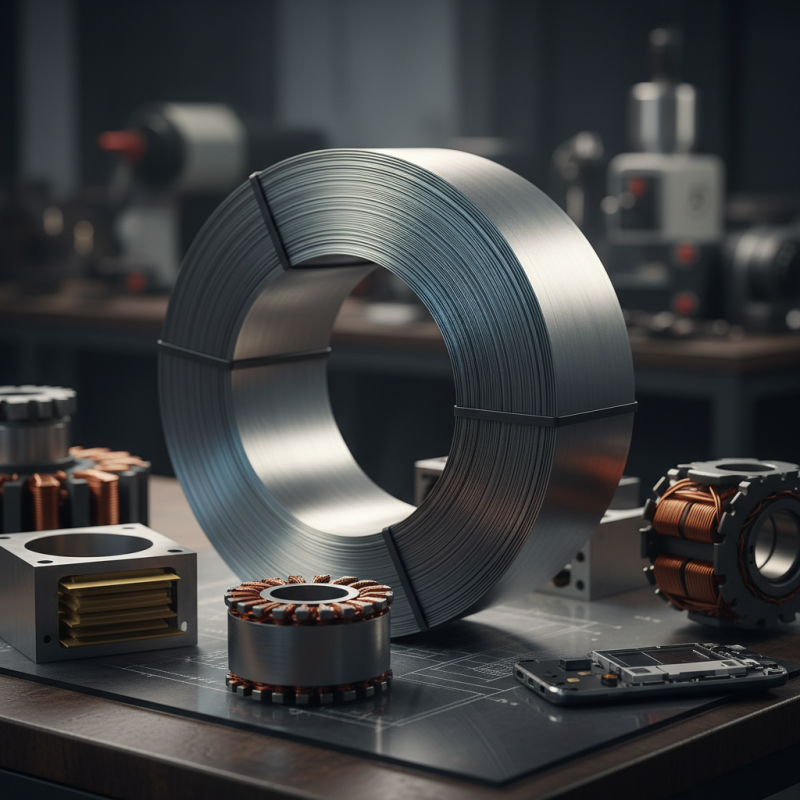
Top 10 Facts About Electrical Steel You Should Know?
Electrical Steel is a specialized material crucial in many industries. Its unique properties make it ideal for electrical applications. For those unfamiliar, it's essential to grasp its significance.
Electrical Steel exhibits high permeability, dramatically improving energy efficiency. This quality contributes to reducing energy losses in transformers and electric motors. Surprisingly, many overlook its impact on everyday technology. The right grade of Electrical Steel can enhance device performance.
Despite its advantages, there are areas for improvement in manufacturing processes. Issues like grain orientation and quality control can hinder production. Recognizing these challenges is vital for the industry’s growth. Understanding Electrical Steel better helps us appreciate its role in modern life.
What Is Electrical Steel and Its Key Properties in Industry?
Electrical steel, a specialized material, is crucial in electrical applications. It is commonly used in transformers, motors, and generators. This type of steel is designed to have low energy losses and excellent magnetic properties. According to a market research report by Mordor Intelligence, the demand for electrical steel is projected to grow significantly, with an estimated CAGR of around 6.5% from 2021 to 2026.
The key properties of electrical steel include high magnetic permeability and low core loss. These properties lead to higher efficiency in devices that rely on magnetism. For instance, high-grade electrical steel can reduce energy losses by approximately 30% compared to traditional steels. However, challenges exist in manufacturing these materials. Consistency in quality and the cost of production remain concerns for many manufacturers.
In industries where efficiency is paramount, electrical steel is indispensable. Yet, the dependence on advanced technologies can create vulnerabilities. Innovations may outpace current production methods. Companies must adapt continuously to maintain competitiveness. Overall, electrical steel plays a transformative role in modern electrical engineering, underscoring the need for ongoing research and development.
Global Production Statistics of Electrical Steel: Market Overview
The global production of electrical steel is crucial in the renewable energy sector and electric vehicle markets. In 2022, global production reached 22 million metric tons. This demand is driven by the push for energy-efficient technologies. Countries like China and Japan dominate the production landscape, accounting for over 40% of the supply.
Tips: Consider how regional production affects local economies. Evaluate your supply chain for sustainability.
In North America, the growth of electrical steel production is slower but steady. Annual growth rates hover around 3%. The shift to electric vehicles is influencing these numbers. However, challenges surround raw material costs and environmental regulations.
Tips: Stay updated on policy changes. They can impact production costs and availability.
Finally, the demand for high-grade electrical steel is rising. This is partly due to advancements in design for electric machines. Yet, achieving high performance is not without its obstacles. Manufacturers face quality control and technological constraints.
Top 10 Facts About Electrical Steel You Should Know
| Fact | Statistic |
| Global Production of Electrical Steel (2022) | 24 million tons |
| Market Growth Rate (2021-2026) | 5.4% CAGR |
| Main Application for Electrical Steel | Transformers and Motors |
| Percentage of High Silicon Electrical Steel in Production | 20% |
| Leading Region in Electrical Steel Production | Asia-Pacific |
| Electric Vehicle Contribution to Electrical Steel Demand | 30% Increase Forecasted by 2025 |
| Recycling Rate of Electrical Steel Scrap | Approximately 90% |
| Major Producers of Electrical Steel | Over 15 Countries Involved |
| Electrical Steel Certification Standards | ISO 9001 |
| Typical Thickness Range of Electrical Steel | 0.5 mm - 0.35 mm |
Types of Electrical Steel: Grain-Oriented vs. Non-Grain-Oriented
When it comes to electrical steel, understanding the two main types is essential: grain-oriented and non-grain-oriented steel. Grain-oriented electrical steel has been engineered with specific grain alignment. This configuration allows it to reduce energy losses significantly in transformers and electrical machines. According to recent industry studies, grain-oriented steel achieves a peak magnetic flux density of up to 2.0 Tesla, making it particularly effective in high-performance applications.
On the other hand, non-grain-oriented electrical steel is designed without a specific grain direction. This type is more versatile but generally has higher core losses compared to its grain-oriented counterpart. While its magnetic properties are adequate, they don't match the efficiency of grain-oriented steel. The global market for non-grain-oriented steel was valued at approximately $10 billion in 2022, indicating a substantial demand, especially in electrical motors and generators.
Notably, advancements in processing techniques continue to blur the lines between these types. Some manufacturers experiment with hybrid structures, combining attributes of both. This approach, however, raises questions about consistency and scalability in production. Balancing performance and cost remains an ongoing challenge for the industry. As technology evolves, the need for sustainable solutions further complicates the landscape, prompting deeper reflections on material choices.
Applications of Electrical Steel in Motors and Transformers
Electrical steel plays a crucial role in the efficiency of motors and transformers. This specialized steel is designed to minimize energy losses during magnetic applications. High permeability and low core loss are key characteristics that enhance performance. According to recent industry reports, electrical steel can reduce energy losses by up to 30% in motors and transformers compared to standard steels.
In motors, electrical steel allows for higher efficiency and better performance. It enables motors to convert electrical energy into mechanical energy with minimal waste. This translates to lower operational costs and extended lifespan. Additionally, transformers benefit from electrical steel by improving their ability to handle high voltages. The use of improved electrical steel types has driven down transformer losses to less than 0.2%, enhancing the overall power system efficiency.
However, challenges remain in sourcing high-quality electrical steel. Some manufacturers report inconsistencies in steel grade, which can impact performance. The complexity of the steelmaking process also leads to variations in quality. As industries push for greener solutions, the demand for reliable electrical steel will only increase, emphasizing the need for continuous improvement in production methods.
Top 10 Facts About Electrical Steel
This chart illustrates the applications of electrical steel in various components, highlighting its importance in the manufacturing of motors and transformers.
Impact of Electrical Steel on Energy Efficiency in Electrical Devices
Electrical steel plays a crucial role in enhancing energy efficiency in various electrical devices. It is specifically designed to minimize energy losses during magnetic induction. This steel is vital in transformers, motors, and generators, where efficiency is paramount. By using electrical steel, manufacturers can significantly reduce energy wastage.
In many applications, the thickness of the steel affects overall efficiency. Thinner steel may seem better but can lead to structural challenges. Additionally, heat generated in devices often leads to increased energy consumption. Effective thermal management is necessary to address this issue.
The coating of electrical steel also impacts efficiency. Higher-quality coatings enhance performance but may increase production costs, leading to a trade-off.
Despite the advancements, challenges remain in optimizing electrical steel for energy efficiency. Some manufacturers still overlook key aspects during production. They might prioritize cost, compromising quality. This often results in greater energy losses over time.
As the demand for efficiency rises, the focus should shift to addressing these challenges. Approaching the production of electrical steel with a balance of innovation and quality is essential for future energy sustainability.