2026 Top Benefits of Type 2 Surge Protection for Buyers?
In today’s technology-driven world, protecting electrical devices is vital. One effective solution is Type 2 Surge Protection. This system safeguards your valuable electronics from unexpected power spikes. Buyers often overlook the importance of surge protection, leading to costly damages.
Type 2 Surge Protection offers various benefits. It enhances safety and reliability in a home or business. This protection is essential for sensitive equipment, such as computers and medical devices. Many industries prioritize surge protection to prevent downtime and financial loss. However, some may question the necessity of such systems.
Investing in Type 2 Surge Protection can seem overwhelming. Buyers should assess their specific needs and potential risks. Understanding how surge protection works is crucial. Making informed decisions ensures that technology investments remain secure and effective. A little reflection on the importance of protection can lead to significant long-term savings.
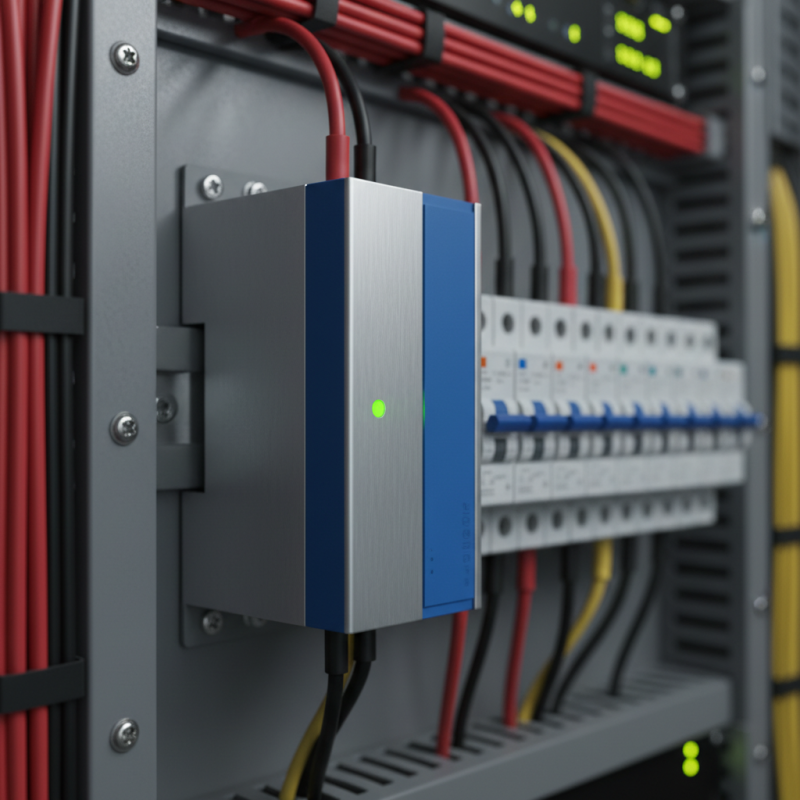
Overview of Type 2 Surge Protection: Definition and Purpose
Type 2 surge protectors serve as crucial defense mechanisms for various infrastructure. Understanding their definition and purpose is vital for buyers. These devices are designed to shield electrical equipment from voltage spikes. They act by diverting excess energy to the ground, reducing the risk of equipment damage.
According to a report from the Institute of Electrical and Electronics Engineers (IEEE), nearly 60% of electrical damage occurs due to surges. A surge can happen from lightning strikes, power outages, or equipment failures. A Type 2 surge protector is specifically installed in the service entrance of a facility. This position allows it to protect entire electrical systems. It can handle large surges and is essential for both residential and commercial applications.
However, not all Type 2 devices are created equal. Factors like installation quality and environmental conditions impact their effectiveness. A common misconception is that all surge protectors provide the same level of protection. In reality, a Type 2’s ability to manage high-energy transients can vary significantly. Many buyers overlook the need for regular maintenance checks, making these systems vulnerable over time. This highlights the importance of choosing reliable solutions that align with specific needs.
2026 Top Benefits of Type 2 Surge Protection for Buyers
This chart illustrates the top benefits of Type 2 surge protection for buyers in 2026. The benefits listed include Reduced Equipment Damage, Enhanced System Reliability, Cost Savings, Compliance with Regulations, and Improved Safety.
Key Benefits of Type 2 Surge Protection for Residential Applications
Type 2 surge protection plays a crucial role in safeguarding residential applications. It effectively shields electrical systems and devices from damaging voltage spikes. These spikes can result from lightning strikes, power interruptions, or fluctuations in the electrical grid. Investing in Type 2 surge protection ensures your home’s systems remain operational and reliable.
One significant benefit of Type 2 surge protection is its capability to extend the lifespan of appliances. By preventing excess voltage from reaching sensitive components, homeowners save money on costly repairs and replacements. Protecting computers, TVs, and kitchen appliances can lead to fewer malfunctions and disruptions.
Tips: Regularly check and maintain your surge protection devices. Make sure they are functioning properly and replace them when needed. Also, educate your family about the risks of electrical surges. Understanding these basics can enhance household safety.
In addition, Type 2 surge protectors enhance safety by reducing fire risks associated with electrical faults. They add a level of reassurance, especially in regions prone to thunderstorms. However, some homeowners might overlook the need for installation. Lack of awareness can lead to devastating consequences. Consider conducting a home audit to assess your current protection level.
Impact of Type 2 Surge Protection on Commercial Electrical Systems
Type 2 surge protection plays a crucial role in protecting commercial electrical systems. It safeguards equipment against voltage spikes that can cause significant damage. These surges often occur during thunderstorms or electrical malfunctions. Without proper protection, businesses risk costly repairs and downtime.
Implementing Type 2 surge protection ensures that sensitive machinery and electronic devices remain operational. These systems divert excess voltage away from vital equipment. This measure can prevent disruptions in production and maintain operational efficiency. Many companies overlook the importance of regular maintenance and inspection of their surge protection systems. Neglecting these tasks can render the protection ineffective in case of an actual surge.
Moreover, a lack of awareness about potential surges creates vulnerabilities. Staff training on the significance of surge protection is often inadequate. This gap can lead to misunderstandings about equipment safety. Companies should prioritize educating employees on surge risks. Building a comprehensive surge protection strategy is essential for long-term reliability. Effective surge protection not only protects assets but also contributes to a safer working environment.
2026 Top Benefits of Type 2 Surge Protection for Buyers
| Benefit | Description | Impact on Commercial Systems | Estimated Cost Savings | Return on Investment (ROI) |
| Enhanced Equipment Longevity | Reduces risk of damage to electrical devices from surges | Improves efficiency of commercial operations | Up to 25% reduction in equipment replacement costs | High |
| Reduced Downtime | Minimizes operational disruptions caused by power surges | Maintains productivity and service reliability | Potential savings of $10,000+ per incident | Moderate to High |
| Compliance with Electrical Standards | Ensures alignment with safety regulations and codes | Reduces legal liabilities and enhances safety | Avoids fines and penalties | High |
| Insurance Premium Reductions | Lower risk can lead to reduced insurance costs | Enhances overall financial health | Annual savings of up to 15% | Moderate |
| Improved Safety for Personnel | Protects employees from electrical hazards | Promotes a safer workplace environment | Potentially reduces workplace injury costs | High |
Cost Considerations for Investing in Type 2 Surge Protection
Investing in Type 2 surge protection is a decision that can seem daunting at first. However, the costs associated with such protection can save buyers from significant financial losses in the long run. Type 2 devices are designed to protect electrical systems from surges caused by lightning or switching actions in the grid. These unpredictable events can damage equipment, leading to expensive repairs or replacements.
The initial investment can vary. Some may feel it is too high compared to their current budget. However, consider the potential damage a power surge can cause. A single surge can destroy computers, servers, and other critical appliances. The costs to replace these items can far exceed the price of a surge protector. Additionally, many insurance companies may offer discounts for properties equipped with surge protection. This can offset some of the costs initially incurred.
Ultimately, buyers must evaluate their specific needs and capabilities. Taking the plunge may seem risky, but the long-term benefits outweigh the short-term costs. Reflecting on the potential repercussions of not investing might lead to clearer decision-making. Are you willing to take that chance?
Maintenance and Lifespan of Type 2 Surge Protection Devices
Type 2 surge protection devices are essential for safeguarding electrical systems. Their maintenance and lifespan significantly impact their performance. Regular checks can prevent unforeseen failures. Proper cleaning and inspections can enhance device longevity. Dust and moisture can compromise functionality. If neglected, these factors can lead to device malfunction.
Device lifespan varies based on usage and environmental conditions. A well-maintained Type 2 device can last up to 10 years. However, harsh weather can shorten its life. Users should assess their devices periodically. Look for signs of wear or damage. Documenting maintenance activities can help track device health.
Many people overlook surge protection until it’s too late. A proactive maintenance approach saves money in the long run. Investing time in maintenance ensures reliable protection. It’s crucial to understand that not all installations are equal. Regular reviews can identify weaknesses. Ultimately, informed choices lead to better protection.