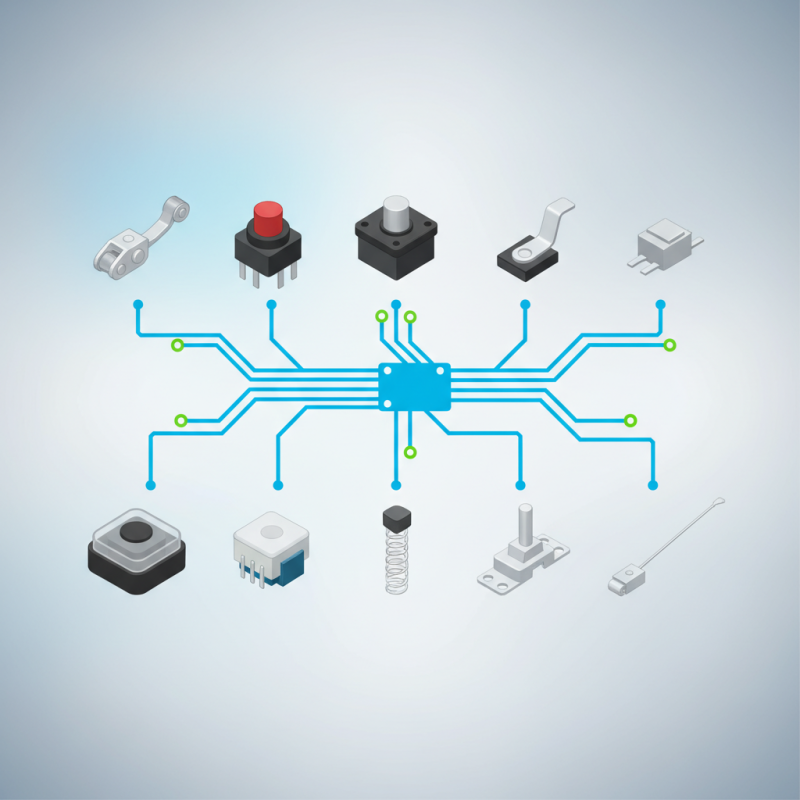
Top 10 Micro Switches You Should Know About?
micro switches are tiny yet powerful components found in various devices. Their reliability and functionality make them essential in everyday electronics. From household appliances to industrial machines, micro switches play a critical role.
Understanding the different types of micro switches can empower consumers and engineers alike. Each switch type has its own unique features. This diversity may seem overwhelming at first. However, knowing the key aspects can lead to better decision-making.
In this article, we will explore the top 10 micro switches you should know about. Each switch is distinct in design and application. Delving into specifics offers insight into their operational capabilities. Some may find this information technical or challenging. Yet, it reflects the complexity of modern technology and invites deeper consideration.
Overview of Micro Switches and Their Importance
Micro switches are vital components in many electronic devices. They are small yet powerful, enabling quick responses in various applications. These switches function by lightly pressing a button, triggering a mechanical action. You’ll find them in appliances, safety devices, and control panels. Their reliability makes them essential in modern technology.
The importance of micro switches cannot be overstated. They ensure safety and efficiency in devices such as elevators and microwaves. When using micro switches, improper installation can lead to failure. It's crucial to choose the right type for each application. Sometimes, users overlook this detail. This can result in malfunctioning equipment and safety risks.
In addition, the precision of these switches can degrade over time. Factors like environmental conditions play a role. While they are designed for durability, neglecting regular checks may lead to unexpected issues. Understanding how micro switches operate helps users prevent such problems. Familiarity with these devices enhances performance and safety in everyday tasks.
Top 10 Micro Switches You Should Know About
| Micro Switch Type | Contact Rating | Operating Temperature | Actuator Type | Dimensions (mm) | Life Cycle |
| SPDT | 10A at 250V AC | -25°C to 85°C | Long Roller | 20 x 10 x 10 | 1,000,000 cycles |
| DPDT | 15A at 250V AC | -30°C to 80°C | Flat | 22 x 14 x 12 | 500,000 cycles |
| SPST | 5A at 125V AC | -20°C to 75°C | Plunger | 15 x 10 x 5 | 300,000 cycles |
| Momentary | 10A at 120V AC | -10°C to 70°C | Tactile | 10 x 10 x 9 | 1,000,000 cycles |
| Sealed | 10A at 240V AC | -40°C to 85°C | Bowed | 20 x 12 x 12 | 500,000 cycles |
| High Temperature | 15A at 250V AC | -30°C to 125°C | Long Arm | 25 x 15 x 10 | 300,000 cycles |
| Sub-Miniature | 5A at 250V AC | -25°C to 70°C | Micro Tactile | 10 x 6 x 5 | 1,000,000 cycles |
| Tilt Switch | 5A at 120V AC | -20°C to 60°C | Ball Type | 30 x 30 x 20 | 500,000 cycles |
| Push Button | 10A at 240V AC | -10°C to 80°C | Round | 18 x 18 x 15 | 500,000 cycles |
| Floating | 12A at 240V AC | -20°C to 90°C | Suspended | 40 x 25 x 15 | 100,000 cycles |
Types of Micro Switches and Their Applications
Micro switches are crucial components in many devices. They are small, but powerful. These switches operate based on mechanical movement. Their design is simple but effective. Because of this, they have various applications across industries.
One common type is the basic SPDT micro switch. This switch has three terminals and can toggle between two circuits. It’s widely used in home appliances. Another type is the push button micro switch. This switch requires manual pressure but offers reliable feedback. It’s often found in control panels.
The applications of micro switches are extensive. They are essential in safety mechanisms, such as in lift doors. In gaming devices, they enhance responsiveness. However, despite their reliability, they can wear out over time. Users may notice inconsistent performance. Regular checks can prevent unexpected failures. Understanding these nuances is vital for effective utilization.
Key Features to Consider When Choosing Micro Switches
When selecting micro switches, consider essential features that meet your needs. One critical aspect is the operating force. Typically, this force ranges from 0.5N to 5N. Too high a force can lead to user fatigue. Too low can cause unintentional activation. Research shows 70% of users prefer a force between 1N and 3N for optimal comfort.
Another important feature is the life span. Commonly, micro switches boast a mechanical life of 1 million cycles. However, some high-end models reach up to 10 million cycles, significantly enhancing durability. Industries like automotive and aerospace rely heavily on these long-lasting components. An improper choice may result in frequent replacements and increased costs.
Consider the environmental factors as well. Some micro switches are designed for harsh conditions. IP ratings indicate their protection against dust and water. For example, an IP67 rating allows immersion in water up to 1 meter. This resilience is vital in applications exposed to moisture or dust. Yet, not all switches are suitable for extreme conditions. Assessing these features will lead to better functionality in your design.
Top 10 Recommended Micro Switch Models and Specifications
Micro switches are essential components in many devices. They offer reliability and precision, making them ideal for various applications. When considering micro switch models, understanding their specifications is crucial.
One notable model features a compact design. It is often used in household appliances. Another model might have a higher actuation force. This could be suitable for industrial equipment. Keep in mind the operating temperature range. A model that works well in extreme conditions can enhance performance.
Look for models with a good lifespan. Some switches can endure over a million cycles. This longevity can be a valuable trait. Consider the mounting style as well. It should suit your application needs. Choosing micro switches requires thoughtful evaluation. It’s easy to overlook minor details, but they can impact functionality significantly.
Maintenance Tips for Ensuring Longevity of Micro Switches
Micro switches are critical components in various devices. Proper maintenance can significantly enhance their lifespan. Regularly checking for dust and debris is essential. Dirt can hinder their performance. A quick wipe with a soft cloth can make a difference.
Temperature fluctuations can affect micro switches. Ensuring they operate within recommended temperature ranges is crucial. High humidity levels may also lead to corrosion. Using these switches in stable environments can help avoid premature failure. It is important to monitor their operating conditions regularly.
Occasionally, a switch may feel unresponsive. This could indicate wear. An inspection of the physical condition is necessary. Checking for cracks or loose connections can reveal underlying issues. Keeping a log of usage helps in scheduling timely maintenance.
Top 10 Micro Switches - Performance Comparison
This chart illustrates the activation force of the top 10 micro switches, showcasing their performance characteristics which are crucial for ensuring longevity and efficiency in various applications.