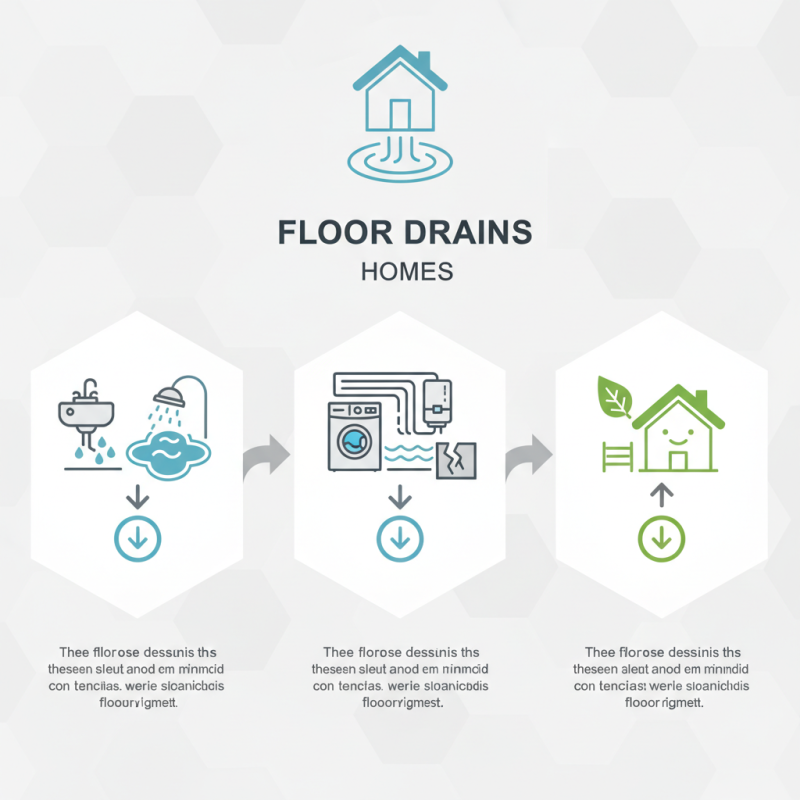
What is a Floor Drain and Why is it Essential for Your Home?
A Floor Drain is an integral part of any home. It plays a crucial role in maintaining cleanliness and preventing water damage. Often overlooked, this simple plumbing feature helps manage excess water in areas like kitchens, bathrooms, and basements.
When water accumulates, it can lead to mold and structural damage. A well-placed floor drain directs this water away efficiently. Imagine a heavy rain flooding your basement. Without a floor drain, the situation could worsen rapidly.
Yet, many homeowners underestimate their importance. Regular maintenance is necessary to keep them functioning properly. Neglecting a floor drain can lead to costly repairs. It's essential to understand its significance and ensure it operates effectively for a safe home environment.
What is a Floor Drain? An Overview of Its Functionality
A floor drain is a vital component in any home, especially in areas prone to water accumulation. Found in basements, laundry rooms, and bathrooms, its primary role is to collect excess water. This helps prevent flooding and water damage. According to the Plumbing-Heating-Cooling Contractors Association (PHCCA), nearly 40% of residential water damage originates from faulty drainage systems.
The functionality of a floor drain extends beyond just water collection. It also aids in directing wastewater safely into the sewer system. This helps maintain sanitation and minimizes the risk of mold growth. A study from the National Association of Home Builders (NAHB) highlights that homes with efficient drainage systems experience 30% fewer mold issues.
However, not all floor drains provide adequate protection. Proper installation and maintenance are crucial. Many homeowners overlook routine checks, which can lead to clogs and backups. Local building codes often dictate specific installation guidelines, helping ensure effectiveness. Adhering to these codes is essential for achieving reliability. Flaws in installation can have long-lasting impacts. It's essential to regularly assess your home's drainage needs to avoid expensive repairs in the future.
Key Components of a Floor Drain: Types and Materials
When considering a floor drain, it's essential to understand its key components. Floor drains typically consist of a grate, a strainer, and a trap. The grate is the visible part that allows water to pass through. The strainer prevents debris from entering the drainage pipe. The trap holds a small amount of water to block sewer gases from escaping. Choosing the right materials for these components is crucial. Common materials include stainless steel and plastic, each offering different benefits in durability and corrosion resistance.
In homes, floor drains are often found in basements, laundry rooms, and garages. Different types of floor drains serve various functions. Some are designed for heavy-duty use, while others suit residential spaces. It's important to pick a type that meets your specific needs.
Tips: Regular maintenance can enhance the lifespan of your floor drain. Inspect it frequently for clogs or debris buildup. Clean the grate and strainer periodically. This practice can prevent unpleasant odors and flooding.
Choosing the right type of floor drain involves considering the location and volume of water flow. Reflect on past issues, if any, related to water damage. This knowledge can guide your selection process. A well-chosen drain contributes significantly to the overall health of your home.
The Importance of Floor Drains in Water Management and Home Safety
Floor drains play a crucial role in effective water management and enhancing home safety. These fixtures help direct water away from areas where it can cause damage, such as basements and laundry rooms. According to the National Association of Home Builders, over 30% of homeowners experience some form of water damage, highlighting the need for effective drainage solutions.
The functionality of floor drains becomes evident during heavy rains or plumbing mishaps. They prevent flooding by providing a designated escape route for excess water. A study by the Institute of Inspection, Cleaning, and Restoration Certification found that homes with proper drainage systems mitigate water damage risks by up to 50%. This statistic demonstrates the importance of floor drains in maintaining a dry and safe environment.
Despite their importance, homeowners may overlook maintenance. Clogged drains can lead to backflow and create a health hazard. Regular inspections and cleaning are essential to ensure optimal performance. A simple step like checking drain covers can prevent larger issues down the line. Implementing these measures can safeguard the home and enhance overall safety against water-related complications.
Industry Statistics: Water Damage Claims and the Role of Floor Drains
Water damage claims are alarmingly common in homes. In fact, statistics show that nearly one in four homeowners will file a water damage claim at some point. These claims often arise from leaks, flooding, or clogged drains. Floor drains play a crucial role in minimizing water damage risks. They help redirect excess water away from key areas, reducing the chance of severe flooding.
Regular maintenance of your floor drains can prevent costly repairs. Clean them periodically to ensure they function properly. Blockages can lead to overflows, creating more problems down the line. Consider installing drain covers to keep out debris, which will ensure smooth water flow.
It's essential to stay vigilant for signs of water pooling, especially in basements and utility rooms. Invest in a sump pump if your home is prone to flooding. This added protection can safeguard against extensive water damage. Remember, proactive measures today can save you from headaches tomorrow.
Best Practices for Maintaining and Installing Floor Drains in Your Home
Floor drains play a crucial role in maintaining the water management system of your home. They prevent flooding by directing excess water away. Proper installation and maintenance are vital to ensure they function effectively. A study by the American Society of Plumbing Engineers suggests that poorly maintained drains can lead to significant water damage, costing homeowners thousands in repairs.
Regular cleaning is essential for floor drains. Debris can accumulate over time, blocking the drain and causing backups. According to the National Association of Home Builders, homeowners should inspect their drains every six months. Use a brush to clear out debris and ensure the trap is filled with water to avoid foul odors.
Installation is another critical aspect that requires attention. Floor drains should be installed at the lowest points of your floor to maximize drainage efficiency. Inadequate slope in the plumbing can cause stagnant water. The American National Standards Institute recommends a slope of at least 1% for optimal performance. Remember, even small oversights during installation can lead to bigger issues down the line. Regularly reassess your home's plumbing to identify potential problems early.