Top Electrical Breaker Tips for Optimal Safety and Performance?
Ensuring optimal safety and performance with Electrical Breakers is crucial. Renowned electrical safety expert, Dr. John Smith, states, "Electrical breakers are the gateway to preventing serious accidents." This highlights their vital role in safeguarding our homes and workplaces. Proper installation and maintenance of electrical breakers can mitigate risks significantly.
Understanding how electrical breakers function is essential. They protect against overloads and short circuits. Utilizing quality products is a reliable way to enhance safety. However, many overlook the importance of regular checks. Ignoring minor issues can lead to larger problems down the line.
Awareness and education are key for both professionals and homeowners. Frequent assessments of your breakers ensure they work efficiently. Familiarity with common signs of failure can save time and money. Investing time in this knowledge reflects a commitment to safety in electrical systems.
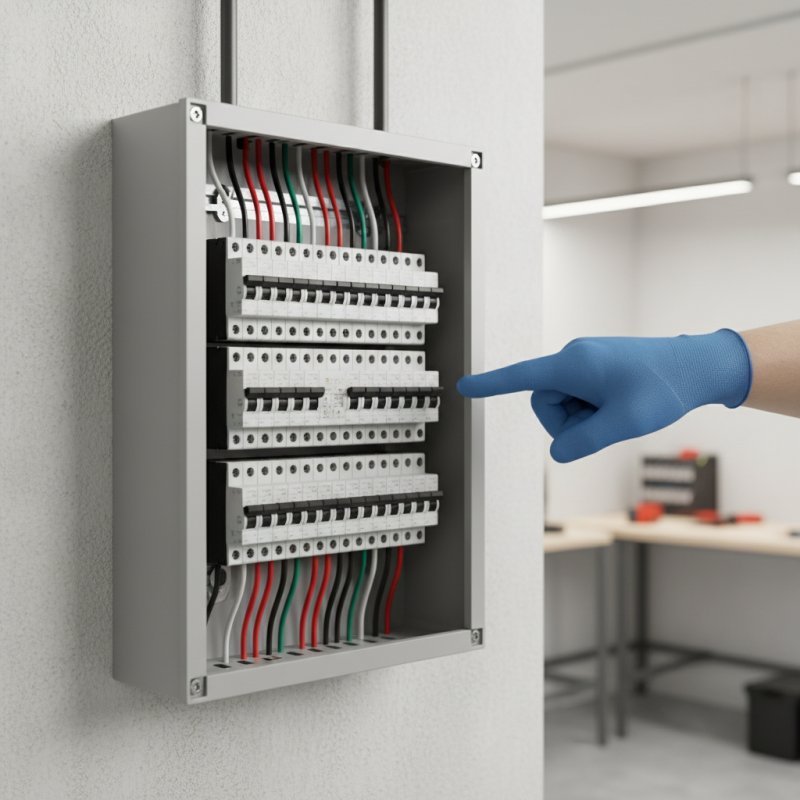
Understanding Electrical Breakers: Types and Functions
Electrical breakers play a crucial role in safeguarding our homes. Understanding the types and functions of these devices is essential for optimal safety. There are two primary types: circuit breakers and fuse links. Circuit breakers can be reset after they trip, while fuses must be replaced. This distinction is vital for choosing the right protection for your electrical system.
The function of breakers is simple yet vital. They interrupt the electrical flow during an overload or short circuit. This prevents potential fire hazards or equipment damage. Yet, many people overlook regular testing. A breaker that is not maintained may fail to trip when needed. In some cases, age or wear can reduce effectiveness. Periodically check your breakers for any signs of damage.
Moreover, consider the area where the breaker operates. Wet or damp environments may require special types of breakers designed for moisture protection. It’s important to be aware of your specific needs. This ensures that your electrical system operates safely and effectively. Understanding these aspects can empower you to make informed decisions.
Importance of Regular Maintenance for Electrical Breakers
Electrical breakers play a crucial role in maintaining safety within electrical systems. Regular maintenance of these breakers can significantly enhance their performance and longevity. According to the National Fire Protection Association (NFPA), approximately 60% of electrical fires result from faulty circuit breakers. This highlights the urgent need for consistent inspection and servicing.
Inspections should occur at least once a year. During these assessments, signs of wear or damage should be noted. This can include corroded connections, tripped breakers, or overheating issues. For instance, a study by the Electrical Safety Foundation International (ESFI) indicates that maintaining circuit breakers can reduce the risk of electrical hazards by 25%. It's essential to keep these breakers clean and free from dust buildup, which can impair their operation.
Neglecting regular maintenance can lead to serious safety concerns. Users often underestimate the importance of testing breaker functionality. A simple test can reveal potential risks that might go unnoticed otherwise. In some cases, older breakers may not function well under increased electrical loads. Regular maintenance fosters a proactive approach, enabling homeowners to identify issues before they escalate into dangerous situations.
Safety Precautions When Operating Electrical Breakers
When operating electrical breakers, safety should always come first. Breakers protect circuits by shutting off power during faults. Misusing them can lead to severe hazards. Always wear appropriate personal protective equipment. This gear will safeguard you against electrical shocks or sudden equipment failures.
Be mindful of the load on your circuit. Overloading can cause breakers to trip frequently. This is not only an inconvenience but can indicate underlying issues in your electrical system. If you notice continuous tripping, it may be wise to call a professional for inspection.
Regularly inspecting your breakers is crucial. Look for any signs of wear or damage. Maintain a clean area around the breaker box. Dust can cause overheating, which may lead to failure. Do not ignore any strange sounds from your breakers. These can signal problems that need prompt attention. Always prioritize mechanical integrity to enhance safety and performance.
Tips for Troubleshooting Common Breaker Issues
Electrical breakers are vital for home safety. Yet, they can encounter issues. Regular maintenance is essential. According to the National Fire Protection Association, faulty breakers contribute to about 30% of electrical fires in homes. Being aware of common problems is crucial for homeowners.
One common issue is the tripping breaker. This can indicate an overload. It's important to check if too many devices are connected to one circuit. A simple distribution of electrical load can help. Sometimes, a breaker trips due to a short circuit. Inspect wiring carefully. Look for frayed wires or loose connections. Damage can lead to more significant hazards if left unaddressed.
Another issue is the failure of breakers to reset. This might be due to wear and tear or an internal fault. Breakers usually have a lifespan of about 30 years. Regular inspections can help identify wear earlier. Sometimes, one may need to replace a breaker entirely. This is an essential step for maintaining optimal safety. Ignoring these warnings can lead to costly damage or even injuries. Regular checks ensure your system works reliably.
Best Practices for Upgrading and Replacing Electrical Breakers
Upgrading and replacing electrical breakers is essential for safety and performance. Reports indicate that faulty breakers are responsible for nearly 20% of home electrical fires. This statistic emphasizes the importance of selecting the right breakers for your home. Ensure compatibility with your panel's voltage and current ratings. Many professionals recommend using breakers that match the electrical load needs of your appliances. This helps prevent overheating and potential failures.
When considering replacement, always consult with certified electricians. They can assess your system's needs. A significant portion of homeowners underestimate the age of their breakers. Data suggests that breakers older than 30 years may not provide optimal protection. Regular inspections can identify worn or outdated equipment. Visual signs of wear, such as discoloration or burn marks, are crucial indicators.
Incorporating surge protection is another best practice. This can shield your breakers from unexpected spikes in electricity. Field studies show that homes equipped with surge protectors experience fewer electrical issues. Ultimately, staying informed and proactive about your electrical system can enhance both safety and functionality. Regular maintenance and updates are fundamental in safeguarding your home.