Why Choose the Right Floor Drain for Your Home?
Choosing the right floor drain for your home is crucial. It may seem trivial, but it plays a significant role in maintaining a clean and safe living environment. According to the latest data from the National Association of Home Builders, improper drainage can lead to severe water damage, potentially costing homeowners thousands of dollars.
A well-designed floor drain can prevent water accumulation and reduce the risk of mold growth. In fact, over 50% of homeowners report water issues in their basements, highlighting the need for reliable drainage solutions. Unfortunately, many people overlook selecting the appropriate floor drain, leading to frustrations and unsafe conditions.
Understanding the various types of floor drains and their features is essential. Each drain serves a distinct purpose. However, many homeowners are unaware of the options available. This lack of knowledge can result in poor decisions that impact overall home safety and comfort. Taking the time to evaluate your needs and the best floor drain options is not just beneficial—it's necessary for ensuring longevity in home maintenance.
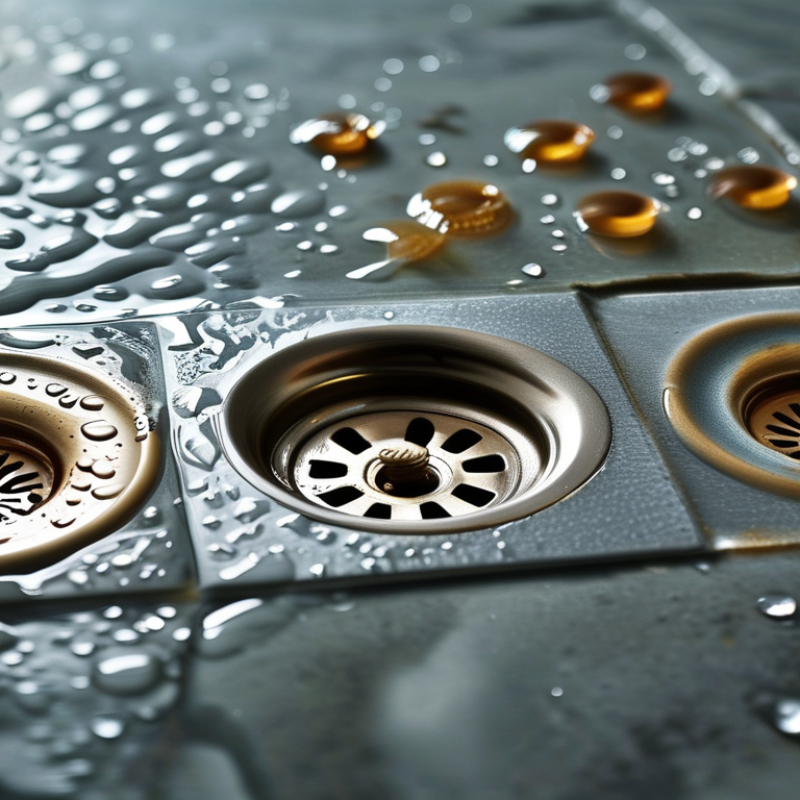
Understanding the Importance of Floor Drains in Home Design
When designing a home, the role of floor drains is often underestimated. These fixtures play a crucial role in maintaining hygiene and preventing water damage. Understanding their importance can help homeowners make informed choices.
A well-placed floor drain can significantly reduce water accumulation, especially in areas prone to spills or leaks. Imagine a sudden burst of water from a washing machine. Without a proper drain, you could face extensive damage. The right drain ensures that excess water is quickly removed, safeguarding your floors and walls.
Yet, not all floor drains are created equal. Some may lack proper sizing or configuration, leading to clogs and backups. It’s essential to assess your home’s layout and requirements carefully. Consulting with design professionals can provide valuable insights. Investing in quality installation can save money and headaches in the long run. Floor drains might seem minor, but their impact is profound. Consider their placement and functionality to ensure your home remains a safe haven.
Types of Floor Drains and Their Ideal Applications
Choosing the right floor drain is essential for your home. The type of floor drain you select directly impacts functionality and maintenance. There are several types of floor drains designed for specific applications.
One common type is the
trench drain. It’s ideal for areas with heavy water flow, such as driveways or swimming pools. Trench drains are efficient, capturing water efficiently along long stretches. They have a sleek design but may require more complex installation.
Another type is the
point drain, typically found in bathrooms or kitchens. These drains are positioned in low points to collect excess water. While they're easy to install, they can sometimes clog. Regular maintenance is crucial for optimal drainage and preventing backups.
For outdoor spaces, consider
funnel drains. These handle surface water and are often placed in gardens. They reduce pooling and drainage issues. However, they can be less effective during heavy rain without proper grading. It’s important to assess your specific needs before selecting a drain type.
Key Factors to Consider When Choosing a Floor Drain
Choosing the right floor drain for your home is essential. Many homeowners overlook this detail, but it plays a crucial role in water management and hygiene. A report from the American Society of Plumbing Engineers indicates that improper drainage can lead to serious water damage, costing homeowners an average of $2,000 in repairs.
When selecting a floor drain, consider size and materials. Different rooms have unique needs. For example, showers require drains that can handle high water flow. According to the National Kitchen and Bath Association, more than 25% of water damage claims come from shower areas. Stainless steel drains are popular due to their durability. However, they may rust if not properly maintained.
Don’t ignore the importance of drainage slope. A 2019 study by the American Society of Civil Engineers found that an inadequate slope can lead to standing water. Improper slope can also invite pests. Many homeowners forget this factor, leading to increased maintenance and repair bills. Aesthetics and functionality must go hand in hand. Make a well-informed choice to ensure your home stays safe and dry.
Why Choose the Right Floor Drain for Your Home? - Key Factors to Consider When Choosing a Floor Drain
| Factor | Description | Considerations |
| Material | Choose durable materials like stainless steel or PVC for longevity. | Evaluate resistance to rust, corrosion, and overall maintenance. |
| Size | Ensure the drain size matches your space and meets water flow needs. | Consider the layout of your home and plumbing system. |
| Design | Opt for designs that complement your flooring and aesthetic. | Explore various styles like linear or traditional to fit your décor. |
| Flow Rate | Check the flow rate to prevent flooding and ensure efficient drainage. | Calculate the maximum amount of water during heavy use. |
| Installation Type | Decide between surface-mounted or recessed drains based on your flooring. | Consider accessibility and installation complexity. |
Common Maintenance Tips for Residential Floor Drains
Maintaining residential floor drains is crucial for a clean and functional home. Regular cleaning can significantly prevent clogs and unpleasant odors. According to the Plumbing-Heating-Cooling Contractors Association, over 70% of homeowners face issues with their floor drains due to inadequate maintenance. A simple monthly check can help catch problems early.
Homeowners should start by removing debris, such as hair and leaves, that can accumulate in the drain. Using a mixture of vinegar and baking soda can help eliminate buildup. This natural combination not only cleans but also deodorizes the drain. Furthermore, it's essential to inspect the drain cover regularly for damage. A broken cover can lead to accidents or even allow unwanted pests inside.
It’s worth noting that while floor drains seem simple, they can create bigger headaches if neglected. For instance, a flooded basement, often caused by a clogged drain, can lead to costly repairs. Industry reports indicate that water damage accounts for 40% of all insurance claims related to home-related issues. Therefore, proactive maintenance and simple checks should be a priority in every household.
Impact of Floor Drain Selection on Home Safety and Hygiene
Choosing the right floor drain plays a crucial role in ensuring home safety and hygiene. A poorly selected floor drain can lead to water accumulation, causing slip hazards and creating the perfect breeding ground for mold. According to the American Housing Survey, about 25% of households reported issues with dampness or mold. This statistic highlights how essential proper drainage systems are in maintaining a healthy living environment.
The selection process should consider the type of space. For bathrooms, a floor drain with a proper trap can prevent sewer gases from entering the home. In commercial kitchens, drains need to be more robust to handle grease and heavy foot traffic. A study by the National Association of Home Builders indicates that homes with inadequate drainage systems incur up to 15% more in repairs. These numbers represent a significant potential financial impact, showcasing the importance of informed decisions in drain selection.
However, even with careful choice, issues may still occur. Maintenance is vital; neglecting it can lead to blockages and unpleasant odors. Regular checks can help catch problems early. A survey revealed that homeowners often overlook their drainage systems until a problem arises. This tendency can have serious repercussions. Investing in the right floor drain and ongoing maintenance is thus imperative for ensuring safety and hygiene at home.