How to Choose the Right Hydraulic Pumps for Your Needs?
Choosing the right Hydraulic Pumps is crucial for efficiency and performance in various industries. Global demand for hydraulic systems is expected to grow by 4.5% annually, according to a recent report by MarketsandMarkets. Hydraulic pumps play a vital role in this sector, powering machinery in construction, agriculture, and manufacturing.
Selecting hydraulic pumps involves understanding specific requirements like pressure, flow rate, and type. For instance, gear pumps are valued for their simplicity and reliability, while piston pumps are known for their efficiency under high pressure. Choosing the wrong type can lead to inefficiencies and increased maintenance costs.
Industry professionals emphasize the importance of matching hydraulic pumps to application needs. A miscalculation in size or capability can jeopardize system integrity. Evaluating factors like operating environment and load conditions is essential. Even with advancements in technology, selecting the right hydraulic pumps remains an intrinsic challenge that requires careful consideration and expert advice.
Understanding the Basics of Hydraulic Pumps and Their Functionality
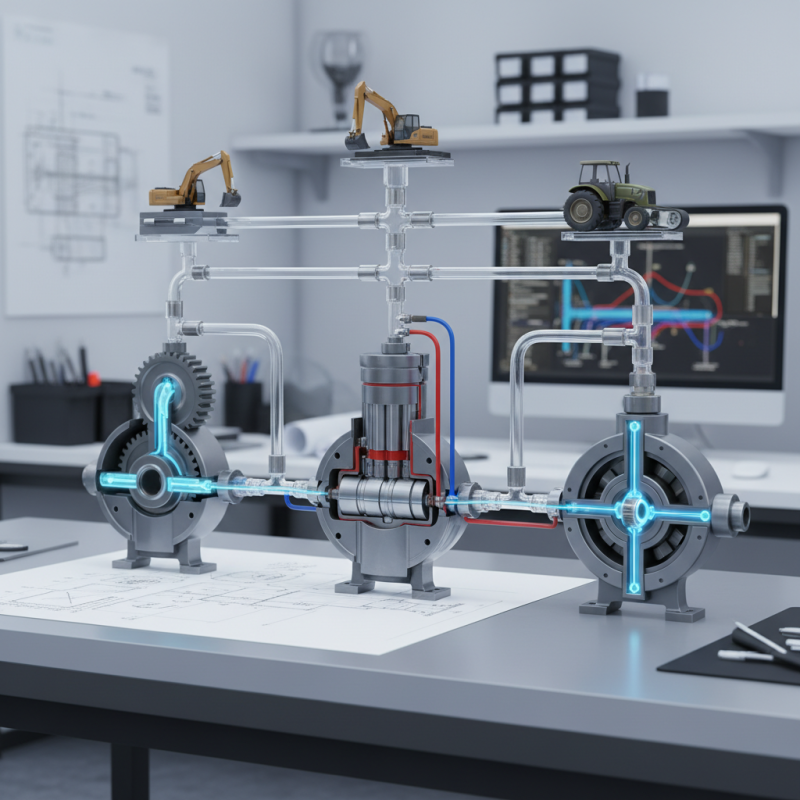
Understanding hydraulic pumps is essential for many industries. They convert mechanical energy into hydraulic energy. This process enables various applications, from construction machinery to manufacturing systems. Hydraulic pumps come in different types, including gear, vane, and piston pumps. Each type has unique characteristics suited for specific tasks.
When choosing a hydraulic pump, consider the application requirements. The pressure and flow rate are critical factors. A pump must meet the system's demands effectively. Selecting the wrong type may lead to inefficiency or damage. Always assess your system's specifications before making a decision.
Tips: Ensure the pump can handle the expected workload. Check compatibility with existing components. Regular maintenance enhances performance and lifespan. Understand that a robust pump is only as good as its installation. Mistakes in installation can lead to significant issues down the line.
Identifying Your Specific Application Requirements for Hydraulic Pumps
When selecting hydraulic pumps, understanding your specific application requirements is crucial. Different tasks demand different pump types. The working pressure, flow rate, and fluid viscosity all matter. For instance, construction equipment may need high-pressure pumps. In contrast, agricultural applications might require lower-pressure solutions.
Assessing the environment is also important. Factors like temperature, moisture, and chemical exposure can affect pump performance. For extreme conditions, specialized pumps are necessary. Identifying these factors early can prevent costly mistakes later.
Be mindful of your power source. Electric, diesel, or manual pumps serve different needs. Each option comes with advantages and limitations. Determine how often and under what conditions you will operate the pump. Balancing performance with reliability often means compromising somewhere. Adjusting your initial choices based on these reflections can lead to better long-term outcomes.
Evaluating Different Types of Hydraulic Pumps Available in the Market
Choosing the right hydraulic pump is crucial for efficiency and performance in various applications. The market offers a variety of hydraulic pumps, each designed for specific tasks. Understanding these types ensures that you select the most suitable option for your needs.
Gear pumps are simple and widely used due to their reliability. They can deliver a steady flow and are capable of handling high viscosity fluids. According to recent industry reports, gear pumps account for approximately 30% of the hydraulic pump market. Their straightforward design often results in lower maintenance costs, which is a significant advantage.
Piston pumps are another option, known for their efficiency and high pressure. These pumps can operate at higher speeds and are suitable for demanding applications. However, they can be more complex and often come with higher costs. Market analysts project that piston pumps will see a growth of around 25% over the next five years, as industries seek versatile and powerful solutions. Understanding the specific requirements of your application is vital to avoid overspending on unnecessary features.
How to Choose the Right Hydraulic Pumps for Your Needs?
| Pump Type | Flow Rate (L/min) | Pressure (Bar) | Applications | Efficiency (%) |
| Gear Pump | 10 - 250 | 50 - 200 | Material handling, industrial machinery | 85 |
| Piston Pump | 5 - 150 | 150 - 400 | Construction, agriculture | 90 |
| Vane Pump | 20 - 80 | 20 - 100 | Automotive, HVAC systems | 80 |
| Diaphragm Pump | 10 - 200 | 5 - 70 | Chemical transfer, food industry | 75 |
| Hydraulic Screw Pump | 30 - 500 | 100 - 300 | Oil and gas, high viscosity fluids | 92 |
Considering Key Factors When Selecting a Hydraulic Pump
Choosing the right hydraulic pump involves several key factors. First, consider the application requirements. Different tasks may need varying pressure levels and flow rates. Identify your specific needs to avoid over or under-specifying your pump.
Material compatibility should also be a priority. Different fluids can affect pump longevity. Always ensure the pump materials match the hydraulic fluid for better reliability. Some applications may require specialized seals or coatings to prevent leaks.
Tips: Assess environmental conditions such as temperature and humidity. Extreme conditions can impact pump efficiency. Regular maintenance is crucial to extend the life of your hydraulic pump. Simple checks can save costly repairs. Finding the right balance between power and efficiency is crucial. Don't overlook the importance of selecting a pump that aligns with your operational goals. Each detail counts towards peak performance.
Maintenance Tips for Optimal Performance of Hydraulic Pumps
Hydraulic pumps play a critical role in various industrial applications. Proper maintenance is vital for their performance. Regular checks can prevent significant issues. Start by inspecting fluid levels. Low levels can lead to pump failure. Ensure that the hydraulic fluid is clean. Contaminated fluid can cause wear and tear on vital components.
Monitor for unusual noises. Disturbing sounds often indicate potential problems. An abnormal vibration can also signal a need for repair. Regularly clean the filters to allow optimal fluid flow. Replace them according to the manufacturer's guidelines. Maintain proper temperature levels as overheating can damage the pump.
Keep a maintenance log. Documenting service history can help identify patterns. Unforeseen breakdowns may arise despite best efforts. Reflecting on past maintenance can aid decision-making. Strive for a proactive approach to avoid costly repairs. Make sure your equipment runs smoothly and efficiently.