How to Choose Photovoltaic Connectors for Your Solar System?
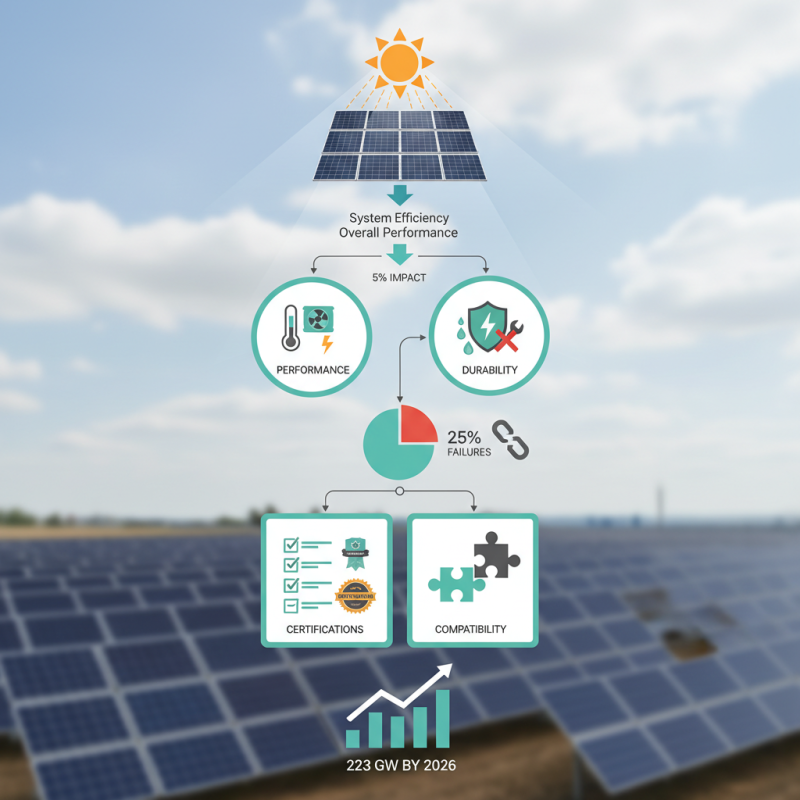
As the solar energy market grows, choosing the right Photovoltaic connectors is essential for system efficiency. Recent industry reports highlight that connector efficiency impacts overall performance by up to 5%. This factor is significant as solar installations increase in numbers and sizes. In fact, the global solar market is projected to reach 223 GW by 2026, indicating a pressing need for reliable components.
Selecting photovoltaic connectors involves understanding both performance and durability. Many systems face issues like overheating and corrosion due to poor connector selection. Statistics show that 25% of solar system failures can be traced back to inadequate connectors. This highlights the need for careful consideration during the selection process.
Choosing the ideal photovoltaic connectors requires balancing various factors. Not all products meet high standards despite similar appearances. It’s crucial to evaluate certifications and compatibility, ensuring a long-lasting connection. In light of these challenges, solar professionals must remain cautious and informed about advancements in connector technology.
Understanding the Role of Photovoltaic Connectors in Solar Systems
Photovoltaic connectors play a crucial role in solar systems. They create electrical connections between the solar panels and the inverter. A reliable connector ensures maximum energy transfer. If connections are weak, energy loss can occur, reducing overall efficiency.
When choosing connectors, consider several factors. The environment matters significantly. Moisture, dust, and temperature fluctuations can impact connector performance. Look for connectors rated for outdoor use. Some connectors are designed with weatherproofing and strain relief features. These details are essential for long-term performance.
Compatibility is another vital factor. Make sure the connectors match your solar panel specifications. Mismatched connectors can lead to problems down the line. Additionally, consider the installation process. Some connectors are easier to work with than others. A complicated installation can lead to improper connections and eventual failures. Always review and choose connectors carefully.
Types of Photovoltaic Connectors and Their Applications
When selecting photovoltaic connectors, understanding the types and their applications is crucial. There are several main types of connectors used in solar systems. MC4 is the most common type, recognized for its reliability and easy assembly. They are waterproof and can withstand harsh weather conditions, making them suitable for outdoor installations.
Another type is the XT60 connector, favored for its ability to handle high currents. They ensure a secure connection, reducing the risk of overheating. However, they may not be as weatherproof as MC4, which could pose challenges in certain environments. Considering the specific needs of your system is vital here.
Then there's the Anderson connector, known for its durability. It’s best for applications requiring frequent connection and disconnection. Yet, they may not be as universally compatible with other devices. Choosing the right connector demands careful evaluation of your solar system's layout and anticipated use. This decision isn't always straightforward, as it depends significantly on your unique setup. Evaluating long-term needs can save time and resources later.
How to Choose Photovoltaic Connectors for Your Solar System? - Types of Photovoltaic Connectors and Their Applications
| Connector Type | Description | Current Rating (Amps) | Voltage Rating (Volts) | Application |
| MC4 | Standard connector widely used in solar panel applications. | 30 | 1000 | Residential and commercial solar systems. |
| Tyco | Connector designed for high performance in harsh conditions. | 40 | 1500 | Utility-scale projects. |
| H4 | A variant of MC4 for connecting multiple strings efficiently. | 30 | 1000 | Large residential systems and commercial applications. |
| Amphenol | Robust connector known for its durability and reliability. | 50 | 1500 | Commercial solar installations. |
| Solaris | Connector made for easy assembly and disassembly. | 30 | 1000 | Residential solar panels and small installations. |
Key Factors to Consider When Selecting Photovoltaic Connectors
Choosing the right photovoltaic connectors is crucial for any solar system. Several key factors should guide your decision. One important aspect is the connector's compatibility with your solar panels. Ensure that the connectors fit well and are designed for your specific modules. Mismatched connectors can lead to efficiency losses.
Another factor is the environmental conditions where your system will operate. Connectors must have a good weather resistance rating. Check for durability against UV exposure and extreme temperatures. In some cases, a connector that is too sensitive to moisture might fail prematurely. Consider the wiring gauge as well. Using the correct gauge will prevent overheating and energy loss.
Finally, look at ease of installation. Some connectors are simpler to plug in than others. While this might seem minor, a complex installation can lead to errors. It is essential to reflect on the overall design of your solar system. A connector that seems perfect may not fit well if not considered carefully. This is an area where many make mistakes.
Evaluating the Compatibility of Connectors with Solar Panels and Inverters
Choosing the right photovoltaic connectors is essential for a solar system's efficiency. Compatibility with solar panels and inverters directly affects performance. Begin by checking connector types. Common types include MC4 and Tyco connectors. Make sure your solar panels and inverters are compatible with your selected connector type.
Tips: Ensure that connectors have proper ratings for voltage and current. A mismatch here can cause issues. Consider using connectors that are weather-resistant. This can extend the lifespan of your solar system.
Different manufacturers may have slight variations in connector designs. It’s crucial to consult specifications. Using mismatched connectors can lead to installation challenges. Incompatibility could also result in underperformance. Always verify the details before making a decision.
Comparison of Photovoltaic Connector Types
Best Practices for Installing Photovoltaic Connectors in Your System
Installing photovoltaic connectors properly is crucial for any solar system. These connectors ensure a reliable electrical connection between the solar panels and the inverter. First, consider the environment where your system will be installed. Extreme temperatures can affect connector performance. Choose connectors that can withstand harsh conditions. This is often overlooked, yet it can lead to future issues.
When installing, pay close attention to the cable management. Cables should be organized and secured to prevent wear over time. Avoid sharp bends and extreme stress on the connectors. It's easy to overlook these details, but they affect long-term performance. Test connections after installation. Make sure everything is functioning as intended. Disconnected or loose connections can cause significant power loss.
Remember that maintenance is key. Check connectors periodically for any signs of corrosion or damage. Cleaning them may seem like a minor task, but it helps maintain efficiency. Don’t ignore this aspect, as it can lead to bigger problems later. Take the time to reflect on your installation choices. Inadequate attention now could result in more challenges down the road.