How to Choose the Best Ground Rod Copper for Your Needs?
In the world of electrical installations, choosing the right Ground Rod Copper is crucial. Daniel Stokes, a leading expert in grounding systems, emphasizes, “The quality of your ground rod can make or break an electrical system.” With various types of ground rods available, it can become overwhelming to make an informed decision.
Ground Rod Copper is often favored for its excellent conductivity and durability. However, not all copper rods are created equal. Some may corrode easily, while others provide better longevity and performance. Careful consideration is necessary for your specific needs.
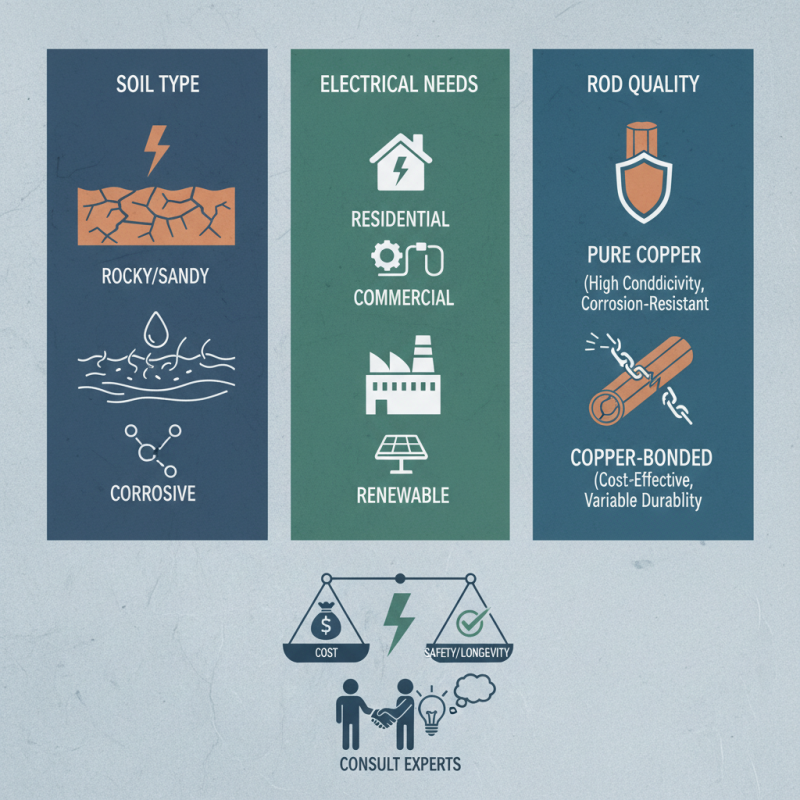
Selecting the right Ground Rod Copper involves balancing quality and cost. It's essential to understand your installation environment, soil conditions, and electrical requirements. What works for one application may not suit another. Engaging with knowledgeable suppliers can offer valuable insights to guide your choice. Avoid rushing the decision. This is an investment in safety and reliability for your electrical system.
Factors to Consider When Selecting Ground Rod Copper Materials
When selecting ground rod copper materials, consider both conductivity and durability. Copper is known for its excellent electrical conductivity, which is crucial for grounding systems. According to the International Electrotechnical Commission, copper has a conductivity rating of 97% IACS (International Annealed Copper Standard). This high level of conductivity ensures effective grounding, reducing the risk of electrical faults.
Another important factor is resistance to corrosion. Ground rods are often buried in soil, where moisture and various chemicals can cause degradation. The National Electrical Code suggests using copper-clad steel or pure copper rods in harsh environments. These materials can withstand corrosion better, promoting longevity in grounding systems. Ensure that the chosen materials align with your specific environmental conditions to maintain performance.
Budget considerations cannot be overlooked. High-quality ground rods come at a premium. However, investing in a durable rod can prevent frequent replacements. A report from the Electrical Safety Foundation International noted that inadequate grounding contributes to numerous electrical failures and hazards. Weigh the costs against long-term performance to make an informed decision. Balancing quality and expense is essential and might require reflection on your priorities. Select wisely to secure both safety and efficiency in your electrical system.
Understanding the Importance of Grounding in Electrical Systems
Grounding is a crucial aspect of electrical systems. It provides a safe path for excess electricity to the ground. This helps prevent electrical shocks and fires. In residential and commercial settings, proper grounding is vital for safety and equipment protection. Neglecting grounding can lead to equipment failure and hazardous conditions.
A well-designed grounding system minimizes the risk of electrical faults. But not all grounding methods are equally effective. Understanding the specific grounding needs of your system is essential. The choice of materials, such as copper ground rods, plays a significant role. They offer low resistance and excellent conductivity, which enhance safety.
Many overlook the importance of quality in grounding materials. While it might be tempting to opt for cheaper options, this could compromise safety. Substandard materials may lead to higher resistance and malfunctioning equipment. Regular evaluations of your grounding system can help identify weaknesses. Ensuring a robust grounding mechanism is not just an option; it's a necessity for efficiency and safety.
Comparing Copper Ground Rods: Diameter, Length, and Coating Options
When selecting a copper ground rod, considering the diameter is crucial. Common diameters range from ½ inch to 1 inch. A thicker rod offers more conductivity, which can be vital in areas with high electrical interference. Yet, thicker rods are harder to install. This balance can be tricky and may require reflection on specific needs.
Length also plays a significant role. Standard lengths typically include 8, 10, or 12 feet. Longer rods may provide better grounding, especially in rocky or sandy soils. However, they can be challenging to drive into the ground and need proper tools. Choosing a length that suits your installation environment is key.
Coating options, like an oxide or galvanized finish, add another layer of consideration. Some coatings increase corrosion resistance, which can prolong the lifespan of the rod. However, these coatings can impact overall conductivity. Assessing where the rod will be installed will guide you in making the right choice. Each option has its advantages and disadvantages, requiring careful thought.
Evaluating Ground Rod Durability and Resistance to Corrosion
Evaluating the durability and resistance to corrosion of ground rod copper is vital for any electrical installation. Ground rods often face harsh environmental conditions, including moisture, soil composition, and temperature variations. According to a study by the Institute of Electrical and Electronics Engineers (IEEE), copper ground rods can last up to 30 years or more in optimal conditions. However, factors like soil acidity or the presence of electrolytes can significantly shorten this lifespan.
Corrosion resistance is a crucial factor in selecting ground rods. Copper is generally favored due to its excellent conductive properties. A report from the National Ground Water Association (NGWA) highlights that copper exhibits superior resistance compared to other metals, such as steel or aluminum. However, copper does not resist all forms of corrosion. Under acidic conditions, copper can corrode more quickly than expected. Regular maintenance checks become necessary to ensure longevity.
It's also important to acknowledge that not all copper ground rods are created equal. Variations in purity and manufacturing processes can affect performance. Some reports suggest that lower-grade copper rods may corrode within a few years, while high-quality options can endure decades. Making an informed choice requires evaluating these variables carefully, while also considering the specific environmental conditions of each installation site.
Regulatory Standards and Testing Methods for Ground Rods Performance
When selecting a ground rod copper, understanding regulatory standards is crucial. The National Electrical Code (NEC) outlines the required depths and materials for grounding systems. To comply, ground rods must typically be at least 8 feet long and made from minimum 3/8 inch diameter copper. This ensures effective conductivity and longevity.
Testing methods for ground rods often involve measuring resistance to ground. An acceptable standard is typically below 25 ohms. According to the IEEE 142 standard, using a fall-of-potential method provides reliable results. It's important for designers and electricians to keep these metrics in mind. The performance of grounding systems can suffer if the testing isn't thorough or consistent.
Research highlights that poorly installed or low-quality ground rods can fail under extreme conditions. A study found that over 30% of grounding failures were linked to inadequate installation techniques. This data emphasizes the need for vigilance in methods and materials. It’s essential to reflect on the potential failures and rectify issues in grounding installations. Reliable performance hinges on adherence to these established criteria.
How to Choose the Best Ground Rod Copper for Your Needs? - Regulatory Standards and Testing Methods for Ground Rods Performance
| Rod Type | Diameter (inches) | Length (feet) | Material | Resistance (ohms) | Testing Standards |
| Copper Bonded | 0.5 | 8 | Copper | 5 | IEEE 81 |
| Solid Copper | 0.625 | 10 | Copper | 2 | ASTM B3 |
| Galvanized Steel | 0.75 | 8 | Steel | 10 | UL 467 |
| Copper Clad | 0.5 | 5 | Copper | 6 | ANSI/IEEE |