What is Cable and Harness Assembly and How is it Used?
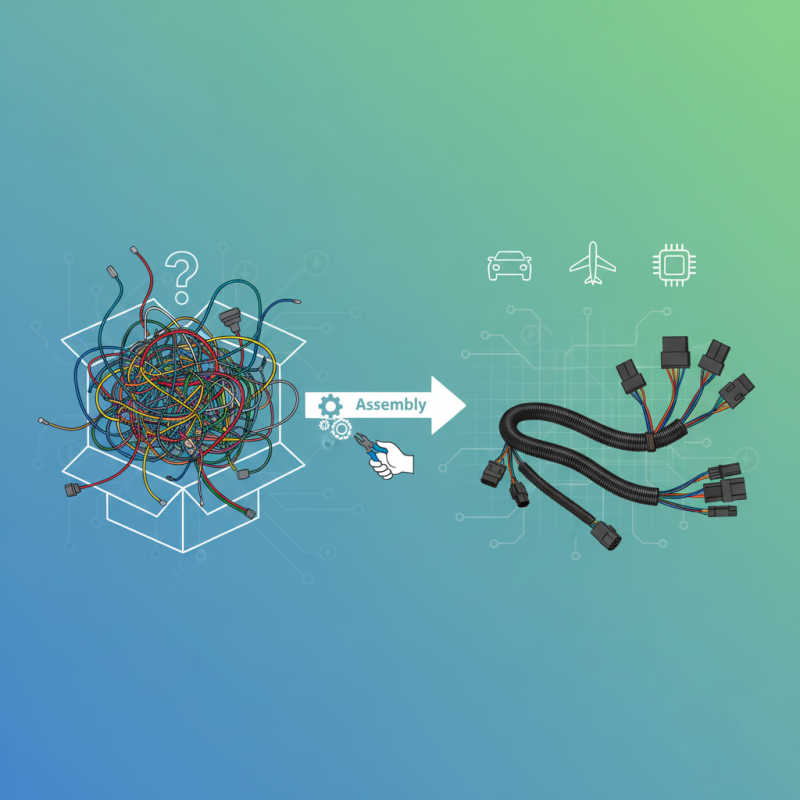
Cable and harness assembly plays a crucial role in modern technology. This process involves bundling wires and cables to create organized systems. These assemblies ensure efficient data transfer and power distribution in various applications.
Industries such as automotive, aerospace, and electronics rely heavily on cable and harness assembly. Each assembly must be meticulously designed. However, human error can lead to costly mistakes. Improperly assembled cables may cause system failures. This can have serious implications for safety and functionality.
Understanding cable and harness assembly is essential for engineers and technicians. They must appreciate its complexity and take extra precautions during the assembly process. Good assembly practices can enhance overall system performance, but even seasoned professionals make errors. Continuous improvement is key to achieving excellence in this field.
What is Cable and Harness Assembly? An Overview of Components
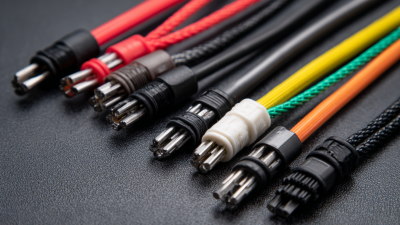
Cable and harness assembly plays a critical role in various industries. It consists of multiple components that work together seamlessly. These include cables, connectors, and protective materials. Each part has a specific function, enhancing the overall efficiency of the assembly. Cables carry electrical signals, while connectors ensure proper connections. Protective materials prevent damage from environmental factors.
The design of a cable and harness assembly can vary significantly. It often depends on the application requirements. Manufacturers must consider factors like flexibility, durability, and heat resistance. For instance, aerospace applications demand lightweight yet strong materials. A single oversight in the design process can lead to failures. This highlights the importance of meticulous planning. Regular evaluations are essential to ensure quality and functionality in every assembly.
When creating a cable and harness assembly, attention to detail matters. Every component should meet strict specifications. Quality control mechanisms must be in place. Users may sometimes overlook these details. They might think any assembly will suffice. This is a misconception that can lead to costly mistakes. Continuous feedback loops can improve the design and assembly processes over time.
Key Materials Used in Cable and Harness Assembly Processes
Cable and harness assembly involves connecting multiple wires or cables into a single unit. This process is crucial in various industries, including automotive and aerospace. The construction quality directly impacts the performance and reliability of electrical systems.
Key materials play an essential role in this assembly.
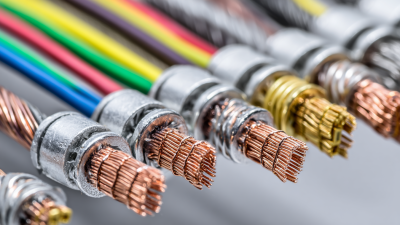
Common materials include wires, connectors, and insulation. Wires are often copper or aluminum. Copper offers excellent conductivity, while aluminum is lighter. Connectors, made from metal or plastic, ensure secure connections. The choice of insulation material affects durability and heat resistance.
PVC is popular for its affordability, though it may not withstand high temperatures.
In practice, selecting the right materials can be challenging. Weighing cost against performance is often daunting. For example, using cheaper insulation can lead to early failure. This creates potential safety hazards and costly repairs. It’s vital to evaluate each component carefully. Attention to detail can make all the difference in long-term viability.
Understanding Industries That Rely on Cable and Harness Assembly
Cable and harness assemblies play a crucial role in various industries. They are used to organize and connect multiple wires and components. These assemblies ensure efficient communication and power distribution within electronic systems. The automotive sector heavily relies on cable harnesses. Reports suggest that the global automotive wiring harness market is projected to reach $64 billion by 2027. This number reflects the ongoing growth driven by advancements in automotive technology.
In the aerospace industry, cable and harness assemblies are vital for safety and performance. They connect essential systems, from navigation to communication. A recent study highlights that the aerospace cable harness market is expected to reach $9 billion within five years. This growth is influenced by increasing demand for lightweight and durable materials. Yet, many manufacturers face challenges in achieving optimal quality and performance in their assemblies, leading to potential delays in production.
Medical devices also depend on reliable cable assemblies. As healthcare technology evolves, the demand for precise and safe electrical connections grows. The medical cable assembly market alone is expected to grow at a rate of 8% annually. However, ensuring compliance with stringent industry regulations remains a significant hurdle for many companies. Improving assembly processes will be critical in maintaining performance standards while meeting these regulatory requirements.
The Role of Cable and Harness Assembly in Product Reliability
Cable and harness assembly plays a vital role in various electronic products. This assembly connects components, ensuring the transmission of signals and power. A reliable connection is crucial in maintaining product performance. Poorly constructed assemblies can lead to failure, reducing overall reliability.
Issues in cable and harness assembly can stem from various factors. For instance, improper wiring can create shorts or interruptions. Additionally, insulation problems can lead to overheating. Even minor mistakes in design can cause significant malfunctions. Regular assessments and testing are necessary to identify weaknesses.
The design process should focus on durability and efficiency. Each connection must withstand wear and environmental factors. This requires precise engineering and attention to detail. Inadequacies must be addressed to enhance reliability. Striving for improvement in these areas is essential for creating high-quality products.
Importance of Cable and Harness Assembly in Product Reliability