Choosing reliable China Best Valve Seal Manufacturers for Global Buyers requires more than comparing prices. A Valve Seal must perform under pressure, heat, vibration, and repeated movement. Small design differences can affect leakage control, service life, and maintenance costs. This guide explores manufacturers through practical purchasing criteria, including material selection, molding accuracy, production capacity, inspection systems, and export experience.
Experienced buyers often request samples before approving large orders. They may check rubber hardness, dimensional tolerance, compression recovery, and resistance to oil or chemicals. Clear product drawings also prevent costly misunderstandings. Strong manufacturers should provide batch records, inspection reports, and traceable production information. ISO-based quality systems can add confidence, but certificates alone cannot prove consistent performance. Factory communication matters, too. A technically capable supplier should explain limitations honestly.
No supplier is perfect.
Some manufacturers may excel at custom sealing solutions but offer slower delivery for small quantities. Others may provide competitive prices but limited engineering support. These differences deserve careful review. Factory audits, sample testing, and reference checks can reveal practical strengths that online profiles hide. This article presents a balanced approach to evaluating China’s leading Valve Seal manufacturers. It focuses on dependable cooperation, realistic specifications, and long-term value for distributors, equipment makers, and maintenance teams worldwide. The goal is not to promote one company blindly. It is to help global buyers ask better questions and select suppliers with evidence, experience, and responsible quality practices.
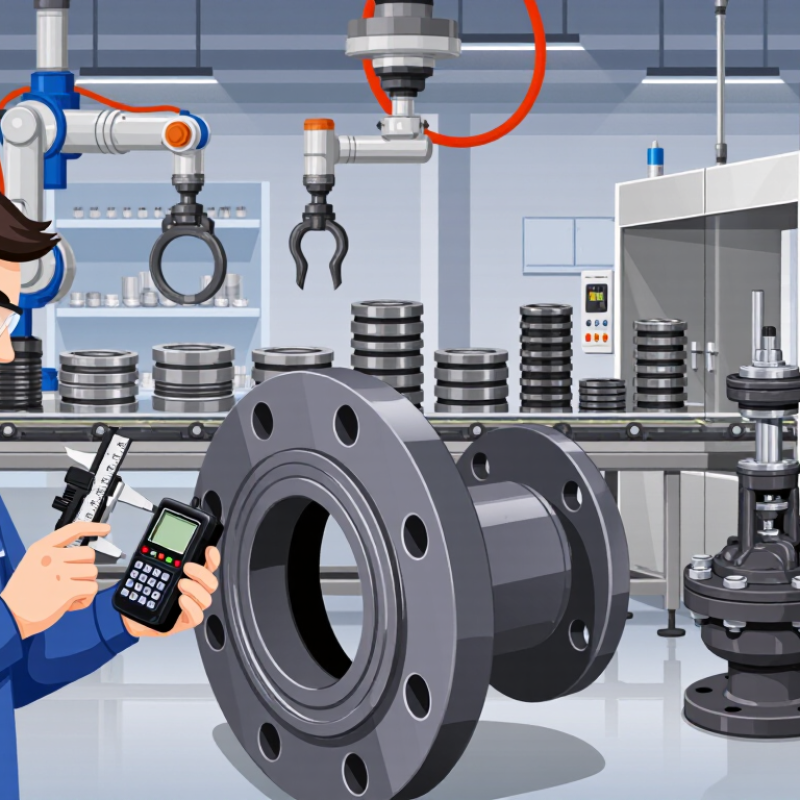
Valve seals are engineered barriers that prevent fluids or gases from escaping around moving and fixed valve parts. They commonly sit around the stem, bonnet, seat, or body joints. Their materials may include elastomers, PTFE, graphite, or metal combinations. The correct choice depends on pressure, temperature, chemical exposure, and operating cycles.
In practical maintenance work, a small stem seal leak can leave oil beneath a valve handle or create a faint gas odor. It may also increase operating torque and damage nearby components. Reliable seals protect workers, equipment, and process stability. They help maintain pressure and reduce unplanned shutdowns. However, a seal rated for high temperature may perform poorly in aggressive chemicals. Specification sheets require careful review.
Global buyers evaluating Chinese valve seal manufacturers should request material certificates, dimensional reports, and application test data. Factory process controls matter, including surface inspection, compression testing, and batch traceability. Clear tolerances are essential because a seal can look perfect but fail after installation. Installation quality matters too. Misalignment, excessive tightening, or rough stem surfaces can shorten service life.
Some purchasing decisions focus too heavily on unit price. That can be a costly mistake. A slightly higher-quality seal may reduce replacement labor and production interruptions. Still, no seal is universally best. Engineers should compare real operating conditions, not only catalog ratings. Supplier communication, documented testing, and consistent production records provide stronger evidence than attractive claims.

Valve seals are small components, yet they decide whether a system holds pressure safely. In global applications, engineers commonly choose O-rings, lip seals, packing, gaskets, and diaphragms. O-rings provide compact radial sealing for valve bodies, stems, and cartridges. They work well in water, air, and many oil systems. However, temperature, pressure, and chemical exposure can quickly change elastomer performance. Small seal, major consequence.
Lip seals help control movement around rotating or sliding valve stems. Their flexible edges maintain contact while reducing fluid escape. Packing seals suit rising stems and demanding industrial service. Operators can adjust packing compression during maintenance. Too much compression creates friction and damages the stem. Gaskets seal fixed connections between flanges, bonnets, and valve seats. They need accurate surfaces and controlled bolt tightening. A poorly aligned gasket may leak even when its material is suitable.
Diaphragm seals separate the operating mechanism from the process fluid. They are valuable in corrosive, hygienic, or contamination-sensitive systems. During field inspections, I have seen specifications overlook cleaning chemicals and temperature cycling. That mistake can shorten service life. Global buyers should request material data, dimensional inspection records, pressure-test results, and traceability documents. A reliable manufacturer should also explain installation limits. Perfect selection on paper is not enough. Seal performance depends on surface finish, compression, storage, and actual operating conditions.
Key Types of Valve Seals Used in Global Applications
The chart compares representative upper service temperatures for widely used valve sealing materials. Actual limits depend on pressure, media compatibility, seal design, installation quality, and operating conditions. Elastomeric seals are common in general industrial service, while PTFE, graphite, and metal seals are selected for aggressive chemicals, high-temperature steam, cryogenic service, or demanding process environments.
Reference basis: typical engineering service ranges commonly published for NBR, EPDM, FKM, PTFE, graphite, and metal sealing systems; values are indicative rather than universal ratings.
Choosing valve seal manufacturers requires more than comparing prices. The 2024 Grand View Research industrial valves analysis estimates a global market above USD 78 billion, increasing pressure on suppliers and buyers. A large market does not guarantee reliable sealing. Buyers should examine compound formulation, reinforcement materials, molding controls, and traceability records.
Ask manufacturers for batch certificates, dimensional reports, and test results under temperature and pressure conditions. ISO 5208 defines valve pressure-testing and leakage classifications, so quality claims should reference measurable acceptance levels. For fluoropolymer or elastomer seals, request compression-set, tensile-strength, chemical-resistance, and aging data. A seal may look perfect on a clean sample. It can still fail after thermal cycling, shaft movement, or prolonged exposure to aggressive media.
Production experience matters. Inspect the factory’s mixing records, mold maintenance, storage conditions, and final inspection process. Check whether operators identify every lot and retain samples for investigation. The U.S. Department of Energy has reported that poorly maintained steam-system components can create significant energy losses, reminding buyers that small sealing defects may become costly operational problems. Certifications help, but they are not proof of daily consistency. That is the uncomfortable part. A supplier can pass one audit and still produce uneven batches. Require independent testing for critical applications, review complaint data, and begin with a controlled sample order before approving long-term supply.
| Evaluation Dimension | Weight | What Global Buyers Should Check | Recognized Requirement or Benchmark | Recommended Evidence | Suggested Score (0–5) |
|---|---|---|---|---|---|
| Quality management system | 15% | Confirm that design, purchasing, production, inspection, and corrective actions are controlled through documented procedures. | A current ISO 9001 certificate issued for the relevant manufacturing scope and site. | Certificate number, validity dates, certification scope, audit status, and site address. | 0–5 |
| Material selection and compatibility | 15% | Evaluate resistance to temperature, pressure, fluid chemistry, abrasion, decompression, and installation conditions. | Material selection must match the application; common options include PTFE, modified PTFE, graphite, elastomers, PEEK, and engineered thermoplastics. | Material datasheets, chemical compatibility charts, operating limits, and application references with confidential information removed. | 0–5 |
| Dimensional accuracy and design control | 10% | Check sealing geometry, cross-section, tolerances, surface finish, compression, and fit with the valve design. | Drawings and tolerances must be controlled against the approved specification; dimensional limits should be defined before production. | Approved drawings, revision history, inspection reports, calibrated measurement records, and first-article inspection results. | 0–5 |
| Pressure and functional testing | 15% | Verify sealing performance under the pressure, temperature, cycle count, and media conditions specified for the valve. | Where applicable, test procedures may be aligned with API 598 or ISO 5208; the purchaser’s valve specification remains the controlling requirement. | Test procedure, calibrated equipment list, pressure records, leakage acceptance criteria, and signed test reports. | 0–5 |
| Fugitive-emission performance | 15% | Determine whether the seal or packing design can control external leakage during thermal and mechanical valve cycling. | Use a specified qualification route such as ISO 15848-1, API 622 for process-valve packing, API 624 for rising-stem valves with graphite packing, or API 641 for quarter-turn valves, as applicable. | Independent laboratory report identifying the tested product, test configuration, temperature, cycles, leakage class, and acceptance result. | 0–5 |
| Fire-safe capability | 10% | For hydrocarbon and other fire-risk services, verify performance after exposure to a defined fire-test sequence. | Applicable qualification may include API 6FA, API 607, or API 6FB, depending on valve type and the purchaser’s specification. | Test certificate stating the exact valve or seal configuration, fire exposure conditions, pressure, post-test leakage, and scope of qualification. | 0–5 |
| Traceability and documentation | 10% | Ensure every batch can be linked to raw material, production records, inspection results, and shipment documents. | Lot or batch identification should remain legible and connected to the certificate of conformity and inspection records. | Batch numbers, raw-material certificates, certificates of conformity, inspection plans, nonconformance records, and packing lists. | 0–5 |
| Inspection and laboratory capability | 5% | Assess whether the manufacturer can verify dimensions, hardness, compression, leakage, material identity, and other critical properties. | Inspection equipment should be suitable for the product and calibrated at defined intervals; external testing should be independently controlled. | Equipment register, calibration certificates, inspection procedures, laboratory accreditation where relevant, and sample reports. | 0–5 |
| Production capacity and consistency | 5% | Review process stability, capacity planning, tooling control, batch-to-batch consistency, and contingency arrangements. | The proposed capacity should cover forecast demand without reducing inspection or traceability controls. | Production-flow records, capacity plan, tooling-maintenance records, sample approval history, and corrective-action data. | 0–5 |
| Technical support and after-sales service | 5% | Evaluate response time, installation guidance, troubleshooting, replacement support, and handling of field failures. | Technical recommendations should be based on documented operating data rather than unsupported claims. | Technical questionnaire responses, installation instructions, warranty terms, response-time commitment, and corrective-action workflow. | 0–5 |
| Total | 100% | Use weighted scoring to compare qualified manufacturers objectively. | Maximum: 5.0 | ||
China’s valve seal manufacturers are concentrated in Zhejiang, Jiangsu, Guangdong, Shandong, and Liaoning. Zhejiang supports precision machining and elastomer molding, while Jiangsu is strong in fluoropolymer and graphite processing. Guangdong adds export-oriented assembly and rapid customization. These regional strengths matter when buyers compare lead times, tooling access, and technical support.
The global industrial valves market was valued at about USD 78 billion in 2023, according to Grand View Research. This expanding installed base increases demand for reliable sealing components. China’s manufacturers commonly produce PTFE, graphite, rubber, metal, and spring-energized seals. Many serve water treatment, chemical processing, energy, and industrial equipment applications. Better facilities use CNC turning, controlled vulcanization, surface inspection, and helium leak testing. Small details matter. A rough groove can damage an otherwise suitable seal.
The China Association of Machinery Industry and international valve studies both indicate strong growth in process equipment investment across Asia. However, manufacturing capability is uneven. A factory may claim export experience without proving compound traceability or batch consistency. Buyers should request dimensional reports, pressure-temperature data, material certificates, and sample testing. ISO 9001 registration helps, but it does not replace application validation. Some suppliers still rely too heavily on manual inspection. That weakness deserves attention. Experienced buyers should audit sealing performance under real media, temperature cycles, shaft movement, and installation conditions.
Global buyers selecting valve seals from China should begin with service conditions, not catalog photos. Record medium, pressure, temperature, shaft speed, and valve type. A seal for hot steam may fail quickly in abrasive slurry. Specify dimensions in a controlled drawing, including tolerances, groove geometry, and surface finish. Material choice matters: PTFE, graphite, elastomers, and engineered compounds behave differently. Ask suppliers for compound data, test methods, and batch traceability. Do not accept “high quality” as technical evidence. Too vague.
A practical purchasing process uses samples before volume orders. Send a production drawing and request several samples from the proposed batch. Check hardness, dimensions, compression recovery, leakage, and visual defects with calibrated tools. If the application is critical, use an independent laboratory for chemical resistance or pressure testing. Review process records, inspection equipment, corrective-action reports, and export experience. A video tour helps, but an on-site audit gives stronger evidence. Confirm packaging, labeling, replacement policy, and document control in writing.
Compare quotations on total landed cost, not unit price alone. Include tooling, sample fees, packaging, freight, insurance, duties, and currency risk. Agree on payment stages, inspection points, delivery terms, and approved changes before production. A small pilot order can reveal dimensional drift or communication gaps. It may slow purchasing. That delay is useful. Recheck certificates against the actual material and lot number. Keep one sealed reference sample and photograph incoming goods. Field performance should influence the next order.